




How to choose between DTF printing by the meter and DTF sheets in A4 or A3? The right format depends on your volume, production pace, and profit goals. Learn how to make the best choice based on your business model.
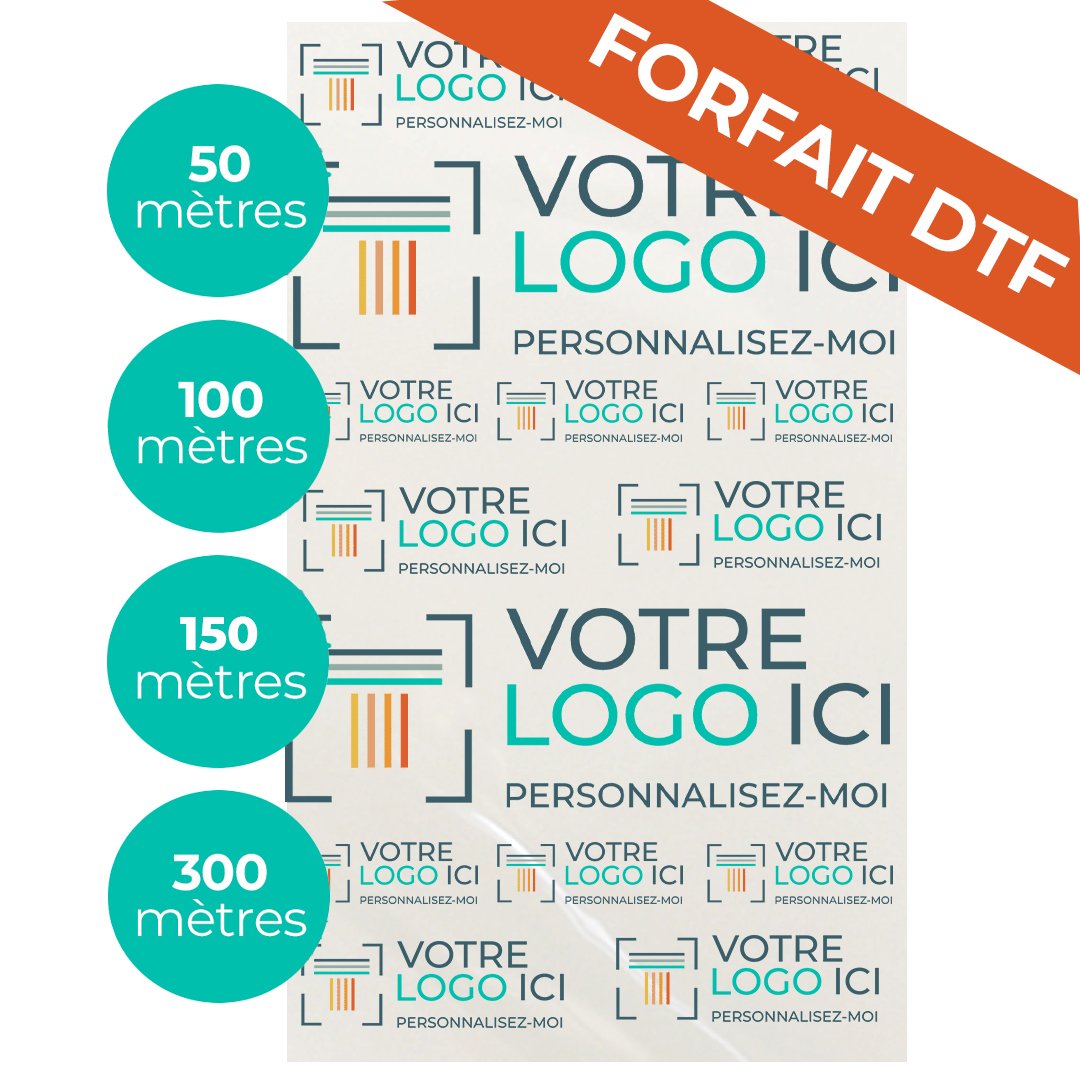
Are you launching your brand or developing a new clothing collection? Don’t let the printing method eat into your profits. Tissus Print also offers prepaid DTF packages (50 m, 100 m, 300 m), the ideal solution to reduce your costs. With our online DTF calculator, you can transparently identify the most cost-effective option for you: sheet, DTF by the meter, or package. Make the best choice for your profitability with Tissus Print. Whether you choose sheets or rolls, each option is designed to provide affordable DTF printing without compromising quality.
Did you know that more than 68% of young clothing brands struggle to control their cost price for personalized textiles? The right custom printing strategy can make all the difference!
DTF: high-quality textile transfer made in France
What is DTF printing?
DTF (Direct to Film) printing revolutionizes textile marking with exceptional versatility. This DTF printing technique allows you to apply your designs to a wide variety of surfaces: t-shirts, sweatshirts, tote bags, caps, and technical textiles such as leather shoes.
Unlike traditional methods, the DTF process uses water-based inks that ensure vibrant colors and long-lasting durability, even after multiple washes. Colors retain their intensity, and the flexibility of DTF transfers provides optimal comfort when worn.
At Tissus Print, we prioritize OEKO-TEX certified inks free from harmful substances.
Why do brands love it?
Custom DTF printing is particularly appealing to emerging creators and brands for three main reasons:
- No minimum order: print a single design or a micro-series without volume constraints, freeing your creativity and reducing financial risks.
- Maximum textile versatility: works on cotton, polyester, blends, or even technical materials, without complex adjustments or dedicated equipment.
- Professional quality accessible: the result matches professional custom textile printing without needing an expensive direct-to-garment machine.
DTF Sheet A4/A3: an accessible and flexible format
Key advantages
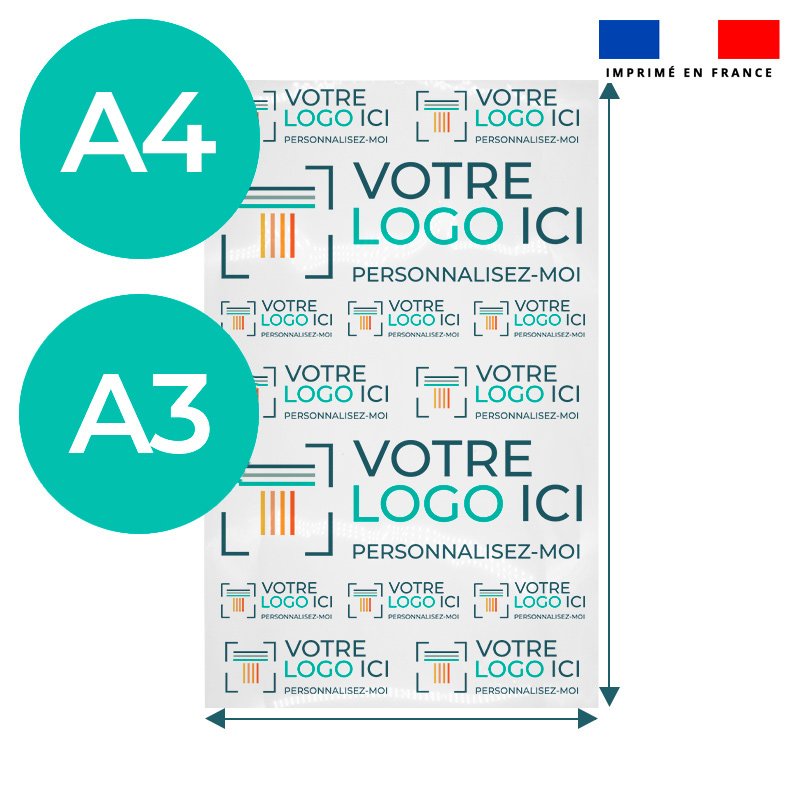
The A4 sheet or A3 format is the ideal entry point to test your designs or launch small series. Its main strength is flexibility: print exactly what you need, when you need it. Ordering by piece avoids both waste and storage costs.
Entry costs remain moderate, making professional printing accessible even on tight budgets. Handling is also simplified: each transfer arrives ready to press, with no prior cutting required.
Who is this solution for:
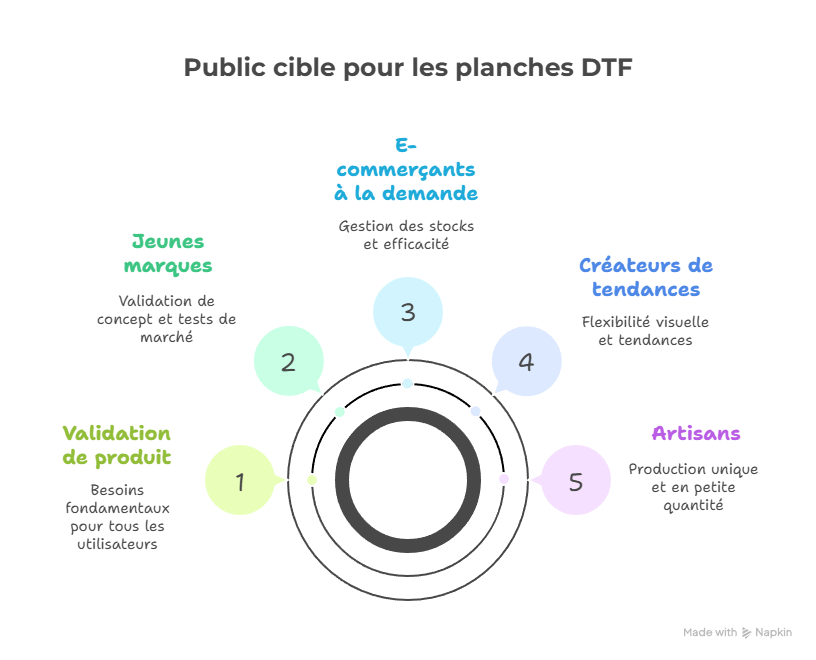
- Young brands testing products and validating concepts.
- E-commerce sellers using on-demand production without stock.
- Creators frequently changing visuals according to trends.
- Artisans offering unique or very small quantity pieces.
Limitations to consider
However, the sheet format presents notable economic constraints. The cost per cm² is higher than DTF by the meter, directly impacting margins on large volumes.
Handling during pressing multiplies: each DTF transfer requires individual placement, increasing production time. Without careful alignment, the risk of waste rises, especially with standardized sheets that do not exactly match your needs.
For more details, see our article for small brands: how to produce printed fabrics without MOQ or factory. A valuable resource for those starting without constraints.
DTF printing by the meter: strategic choice to lower unit costs
Roll film, the ally of brands looking to scale
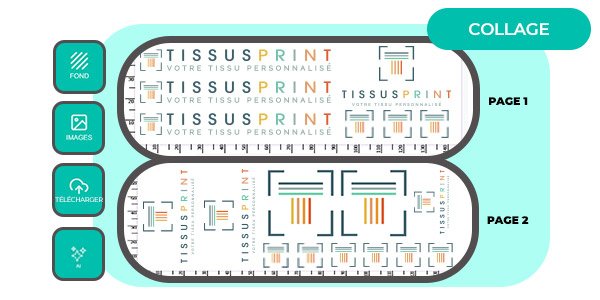
DTF printing by the meter transforms your textile production approach. Batch printing saves significant time: no need to handle each transfer individually, as placement is continuous.
Optimizing the print area eliminates dead zones typical of individual sheets. Every centimeter of the roll can be used, drastically reducing waste. The linear meter price also provides stable cost forecasting for precise cost control.
Concrete example: A batch of 100 t-shirts printed via roll costs 20–30% less per print than sheet format, improving margins or allowing more competitive pricing.
Printing by the meter is more cost-effective in these cases:
- Runs of 50 pieces or more requiring price consistency.
- Repeating logos or designs applied to multiple products.
- Brands wanting fixed purchase prices from launch.
- Capsule collections with predictable volumes.
Tissus Print offers several pricing tiers based on volume:
| Printing type | Price (excl. VAT) |
|---|---|
| DTF film by the meter (1-9 m) | €16.67/m |
| DTF film by the meter (10-49 m) | €14.00/m |
| DTF film by the meter (50 m and above) | €13.00/m |
| Package 50 m | From €15.00/m |
| Package 100 m | From €14.00/m |
| Package 300 m | From €12.00/m |
| Sheet A4 | €3.00 |
| Sheet A3 | €6.00 |
With our online DTF calculator, you can compare in one click which option is cheapest based on your quantities: sheet, roll, or package. Tissus Print helps you choose the best option.
Key considerations
This approach requires more upfront organization. File preparation must anticipate optimal roll layout to maximize yield. Poor alignment can generate losses that negate the economic advantage.
Planning requirements is also crucial: unlike sheets ordered individually, rolls require forecasting quantities over a given period.
Comparison table: DTF sheet vs DTF by the meter
| Criterion | A4/A3 sheet | Printing by meter |
|---|---|---|
| Ideal volume | < 30 pieces | > 50 pieces |
| Price per cm² | Higher | More economical |
| Design flexibility | Very flexible | Requires repeatable or well-arranged design |
| Unit cost of finished product | Less stable | Predictable and optimized |
| Placement time | Long (multiple handling) | Faster (batch placement) |
| Fixed purchase price goal | Hard | Easy to forecast |


0 commentaires