






Table of Contents
- 1. Choose the Right Wash Cycle
- 2. Use Appropriate Products
- 3. Dryer vs Air-Drying
- 4. Ironing and Storage
- 5. Removing Stains Easily
- 6. Cleaning Frequency
- 7. Reviving Worn Garments
- 8. Preserving Custom Prints
- 9. Efficient Storage
- 10. Avoid Prolonged Sun Exposure
Introduction
At Tissus Print, we specialize in custom textile printing, offering a wide range of fabrics by the meter, DTF films, and personalized clothing, bags, and accessories. Whether you are an event professional, a business, a brand creator, or an individual, it is essential to properly care for your textiles to maintain their durability and appearance. In this article, we reveal 10 practical tips to extend the life of your customized items. To learn more about different types of fabrics, check out our Fabric Guide.
1. Choose the Right Wash Cycle
- Wash at 30°C instead of 40°C: To preserve vibrant colors and prints, it is recommended to wash textiles at 30°C rather than 40°C. This gentle temperature reduces the risk of fading and fabric distortion.
- Wash inside out: Turn personalized items inside out before washing. This protects prints from friction in the machine, especially for reversible items.
- Follow label instructions: Never ignore the care instructions on your textile labels. Following the recommended temperature and wash cycle is crucial for proper garment maintenance.
2. Use Appropriate Products

- High-quality detergent: Choose an eco-friendly, high-quality detergent that is gentle on fabrics. This cleans effectively without damaging prints or fabric texture. Sustainable care practices also reduce the environmental impact of textile maintenance. Learn more in our article on The Environmental Impact of Textile Printing.
- Avoid fabric softeners: Fabric softeners can alter the texture and prints of your personalized textiles. It is better to skip them to maintain the integrity of your items.
3. Dryer vs Air-Drying
- Dryer effects: Using a dryer may cause shrinkage and color fading. To avoid these risks, opt for air-drying.
- Air-drying benefits: For optimal drying, avoid direct sunlight and use suitable hangers to maintain garment shape. This also helps reduce wrinkles.
4. Ironing and Storage
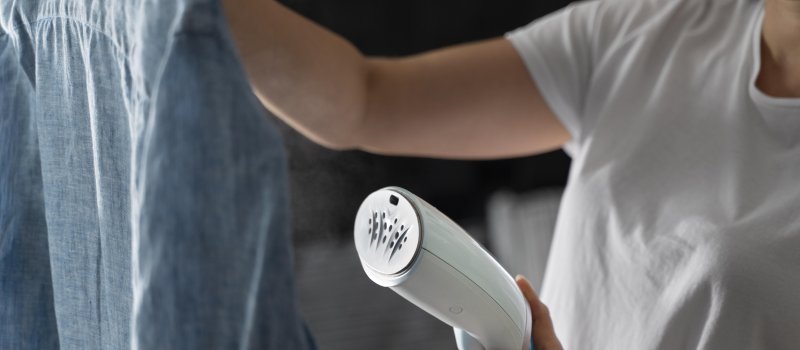
- Ironing techniques: Never iron DTF-printed textiles, as heat can damage the print. If needed, use a steamer or a pressing cloth to protect the print regardless of its type.
- Proper storage: Avoid folding clothes too tightly to preserve their shape and appearance. Use protective covers for items you don’t wear often to prevent mold formation.
5. Removing Stains Easily
- Stain removal tips: To remove stains with minimal effort, use cold water and gently blot the stain. Avoid vigorous rubbing, as it may worsen the issue. Techniques may vary depending on fabric type.
- Common mistakes to avoid: Don’t leave stains for too long. The sooner you act, the easier they are to remove.
6. Cleaning Frequency
- When to wash: Washing frequency depends on fabric type and usage. For frequently worn items, washing every 3–5 wears is generally recommended.
- Proper laundering: Sort laundry by color and fabric type before washing to prevent fading and damage caused by friction between different materials.
7. Reviving Worn Garments
- Refreshing techniques: Don’t throw away worn clothing! Revive them by repairing, sewing, or patching. You can also customize with patches, dyes, and other DIY projects, extending their lifespan while adding a personal touch.
- What to do with too-damaged textiles: If items are too worn to wear, consider donating them to charities or organizations that can recycle them.
8. Preserving Custom Prints
- Avoid excessive friction: Friction can damage prints. Avoid carrying rough objects or bags in contact with printed clothing. For certain fabrics like velvet used for upholstery, the Martindale test measures abrasion resistance and helps determine textile durability.
- Washing personalized items: Always separate printed textiles from unprinted ones to reduce wear and stains.
9. Efficient Storage
Organize your closet without strict methods Marie Kondo: Use practical approaches such as drawer dividers for undergarments and accessories. Fold or roll t-shirts to save space and use hangers for shirts and dresses to maintain shape.
Category-based organization: Group clothes by usage (work, casual, evening) or color for a clean aesthetic. Regularly air out your closet and keep frequently worn items accessible. This keeps your space organized and preserves textile quality by reducing moisture and odors.
10. Avoid Prolonged Sun Exposure
Protect textiles from direct light: Avoid leaving customized clothes in direct sunlight for long periods to prevent fading and color damage. Sensitive fabrics like cotton and polyester are particularly vulnerable. UV-resistant fabrics offer extra protection. Store items in a cool, dark, and dry place to maintain quality and appearance.
Washing Frequency Table
To help you organize textile care, here’s a summary table of recommended washing frequency by fabric type.
| Fabric Type | Washing Frequency | Notes |
|---|---|---|
| Frequently worn clothing | Every 3–5 wears | Check for stains before washing |
| Evening wear | After each use | Avoid friction during storage |
| Textile accessories | Every 5–10 uses | Follow care instructions |
| Rarely worn textiles | Every 10–15 uses | Air out before storage |
Conclusion
By following these 10 washing tips, you can ensure a long lifespan for your customized textiles while preserving their appearance and quality. Proper care goes beyond washing; it includes storage, protection, and reviving worn items. Taking the time to care for your textiles ensures they remain functional, aesthetic, and aligned with your style.
For more on fabric care, visit our Textile Care Guide. At Tissus Print, we provide durable, high-quality products for professionals, businesses, and individuals alike.
Explore our range for unique personalized creations. Learn more about marking techniques in our Textile Printing Guide. Share your care tips or ask questions in the comments, as community feedback enriches our knowledge base. Proper care extends textile life and reduces environmental impact.
FAQ: Caring for Customized Textiles
Q1: How can I prevent my clothes from deforming after washing?
Wash in cold water, use a gentle cycle, and air-dry instead of using a dryer. Avoid hanging heavy garments, which can stretch.
Q2: What should I do if a garment’s color starts bleeding?
Wash separately in cold water with a color-safe detergent. If the problem persists, consider dyeing or repurposing the item.
Q3: What is the best method to dry clothes after washing?
The best method is to lay garments flat on a clean surface or hang them on a hanger in a well-ventilated area to preserve shape and prevent shrinkage.
For more tips, watch Emma Denaive’s video How to Properly Care for Your Clothes – Essential Tips!.


0 commentaires