




Contents
- 1. Textile personalization: a powerful tool to strengthen brand identity
- 2. Textile personalization and customer engagement: how does it impact loyalty?
- 3. Economic benefits of textile personalization for businesses
- 4. Textile printing technologies for successful personalization
- 5. Tips for integrating textile personalization into your loyalty strategy
- Conclusion
In a market where competition is increasingly fierce, customer loyalty has become a central challenge for businesses. As a retailer, offering personalized products and services is a powerful way to strengthen customer engagement and encourage repeat visits. Textile personalization, in particular, is an excellent strategy to foster loyalty by creating a true emotional connection with your brand.
At Tissus Print, we help businesses implement innovative, custom textile personalization solutions to create unique products that leave a lasting impression.
1. Textile personalization: a powerful tool to strengthen brand identity
1.1 Creating an emotional connection with the brand
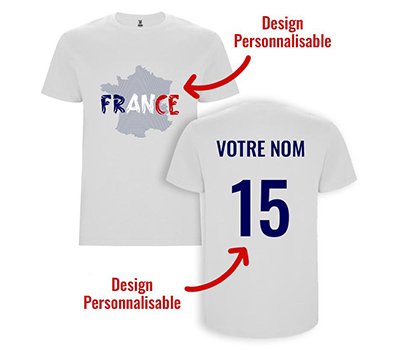
Offering personalized items allows your customers to feel unique and valued. A customized t-shirt, sweatshirt, or tote bag becomes more than just a product; it becomes a symbol of identity and attachment to your brand.
Take the example of major fashion brands that have leveraged personalization to create limited collections, allowing customers to choose patterns, colors, or even add their name. By letting customers personalize everyday items, you foster an emotional relationship with your brand, which is essential for encouraging loyalty.
1.2 Turning customers into brand ambassadors
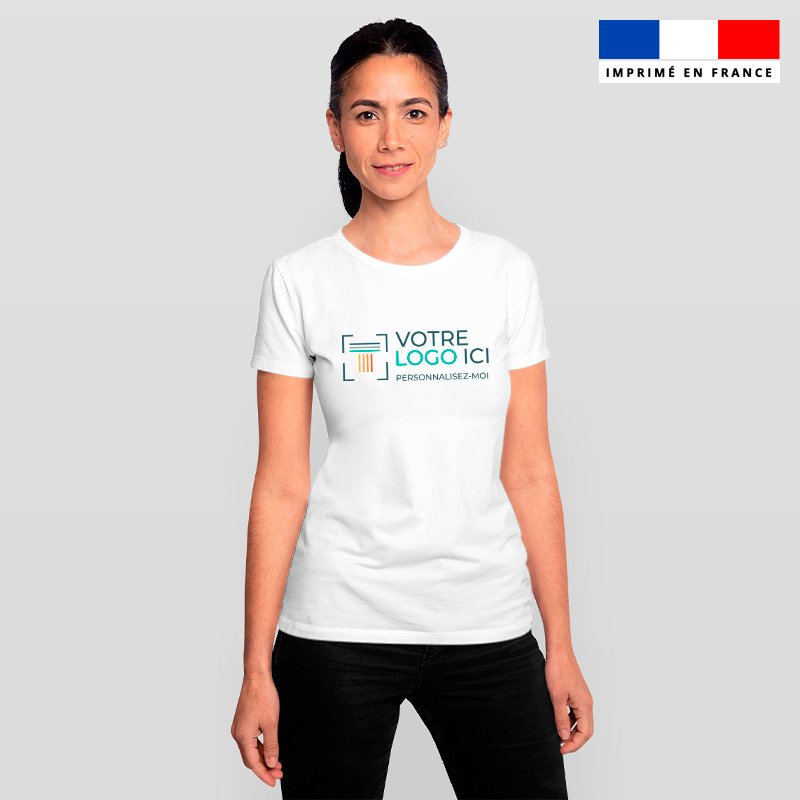
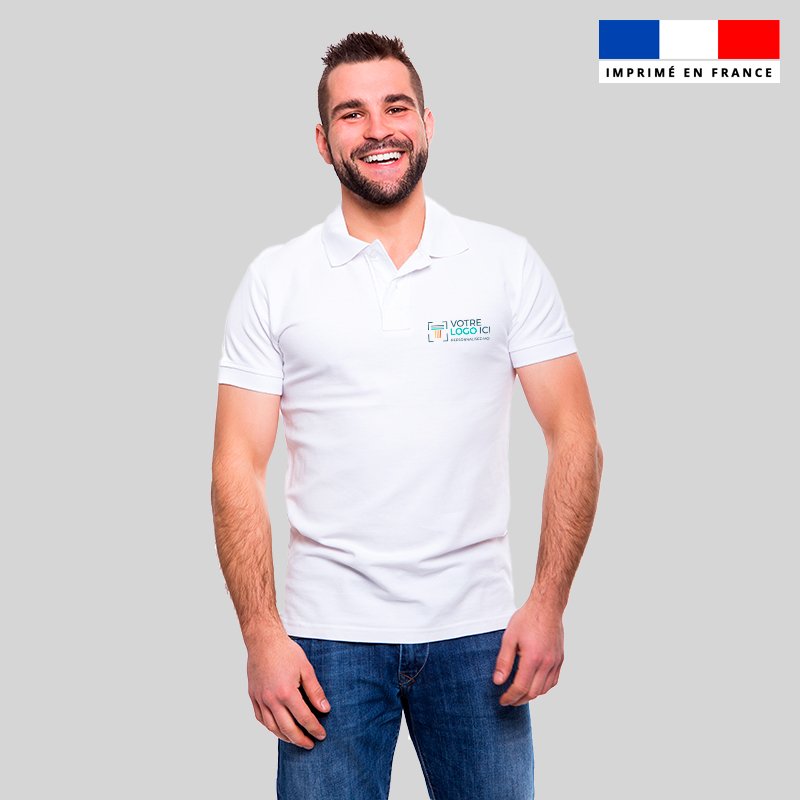
Personalized textiles, besides meeting your customers' tastes and expectations, act as a mobile communication tool. Every time your customers wear a personalized garment or use a customized accessory, they promote your brand within their network. This is an effective way to reach new potential customers while strengthening loyalty among existing clients.
2. Textile personalization and customer engagement: how does it impact loyalty?
2.1 Enhanced customer experience through tailored products
Personalization plays a key role in improving customer experience. By offering custom-made products, you show your customers that you listen to their needs and want to meet their specific requirements. This attention helps enhance their satisfaction and attachment to your brand.
A satisfied customer is a loyal customer. And a customer who receives a product that perfectly matches their expectations is more likely to make repeat purchases.
2.2 The memory effect of personalization
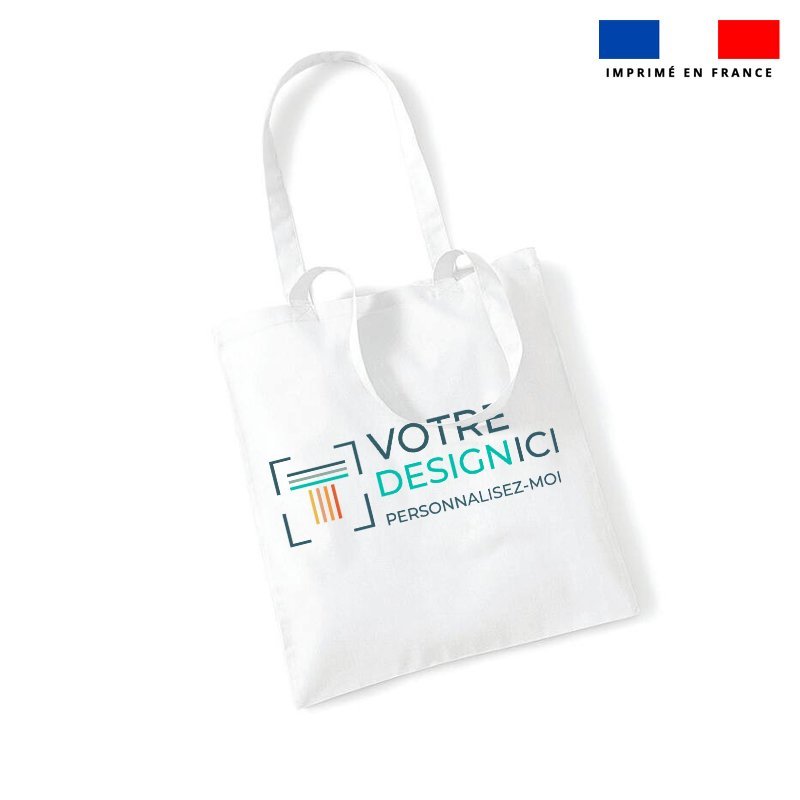
Personalization makes each product unique and memorable. When a customer owns a personalized item, like a tote bag or t-shirt with their name or logo, they associate it with a positive experience. This creates lasting attachment and gives them an extra reason to return for future purchases.
Well-planned textile personalization campaigns, such as limited editions or collaborations with artists, can not only improve customer retention but also generate excitement around your brand.
3. Economic benefits of textile personalization for businesses
3.1 Better customer retention = lower acquisition costs
Retaining a customer usually costs far less than acquiring a new one. Textile personalization, by creating a stronger bond with your customers, allows you to reduce acquisition costs while maximizing long-term revenue.
Loyal customers are also more likely to recommend your products to their network, generating positive word-of-mouth for your brand.
3.2 Increased average order value and cross-selling
Personalization can also help you increase the average order value. When a customer buys a personalized product, they are often willing to pay more for something that perfectly matches their preferences. Additionally, you can encourage cross-selling by offering complementary personalized accessories, such as a matching tote bag or pouch.
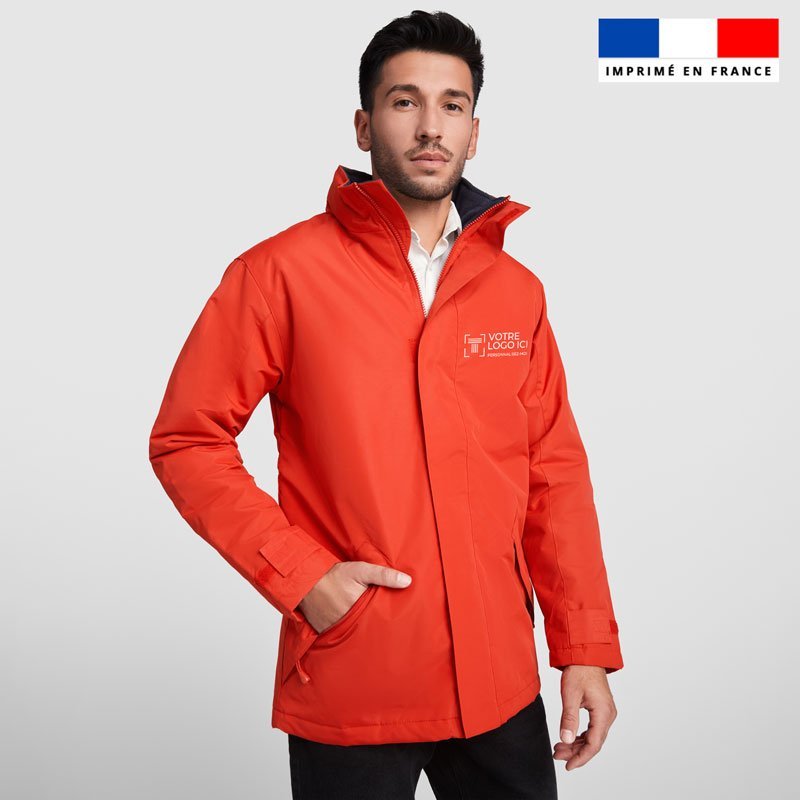
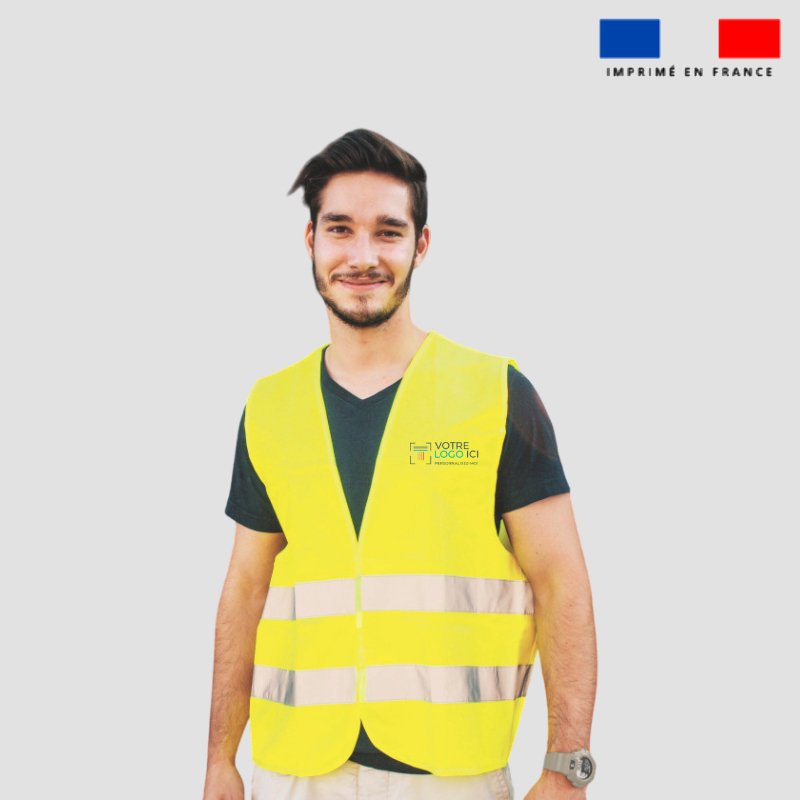
Offering custom promotional items can also generate additional revenue while boosting your brand visibility to a wider audience.
3.3 Personalization as a differentiation tool against competitors
| Advantages | Description | Impact on loyalty |
|---|---|---|
| Emotional connection | Customers feel unique and valued through products tailored to their tastes. | Increases satisfaction and customer attachment. |
| Brand ambassadors | Customers wear and use personalized items, promoting the brand. | Improves visibility and attracts new customers. |
| Tailored customer experience | Providing a personalized experience shows the company understands individual needs. | Strengthens trust and encourages repeat purchases. |
| Memory effect | Personalized products are memorable and have stronger emotional value. | Enhances loyalty and repeat purchases. |
| Lower acquisition costs | Retaining customers costs less than acquiring new ones through personalization. | Improves overall business profitability. |
| Higher average order value | Customers are willing to pay more for products that reflect them personally. | Increases revenue per customer. |
| Differentiation from competitors | Stand out with unique products. | Attracts more engaged customers. |
In a market full of standardized products, standing out is essential. Textile personalization allows you to offer a unique value proposition that competitors cannot easily replicate. By integrating customization options into your offerings, you strengthen brand identity while meeting the demand for originality.
4. Textile printing technologies for successful personalization
At Tissus Print, we provide three textile printing technologies suited to all your personalization needs.
4.1 Direct-to-garment printing for cotton
Direct inkjet printing is ideal for cotton items like t-shirts or sweatshirts. This method reproduces detailed, colorful designs while ensuring excellent wash durability. It’s perfect for offering personalized apparel with professional and long-lasting results.
4.2 Sublimation printing for synthetic fabrics
Sublimation is recommended for synthetic fabrics, such as polyester. This technique provides high-definition, durable prints and is ideal for sportswear, tote bags, and other accessories requiring quality prints on synthetic materials.
4.3 DTF (Direct-to-Film) printing
DTF printing is particularly suited for small batches and complex designs. It allows designs to be transferred directly onto various fabrics, offering flexibility in both materials and designs.
To learn more about different techniques for customizing textiles, check out our article on How to print a logo on fabric.
5. Tips for integrating textile personalization into your loyalty strategy
5.1 Create an attractive and targeted offer
To successfully build customer loyalty through textile personalization, offer a well-targeted selection. Identify which items interest your audience most: clothing, accessories, or promotional products.
5.2 Offer flexible personalization options
Provide customers with a wide range of customization options: patterns, colors, text. The smoother and more varied the personalization experience, the more engaged customers will be.
- Analyze your customers’ needs: Study preferences to offer products that truly match their tastes (type of fabric, style, colors).
- Provide simple and intuitive personalization: Offer a clear interface to facilitate customization (pattern selection, text addition, etc.).
- Emphasize quality and durability: Highlight the importance of high-quality, durable textiles to maximize customer satisfaction.
5.3 Use customer feedback to improve your offer
Encourage customers to share their feedback to refine your personalization offerings. Listening to their input allows you to continuously improve satisfaction and strategy.
Conclusion
Textile personalization is more than a trend: it is a powerful strategy to boost customer loyalty and grow your business. By creating unique products tailored to customer needs, you foster lasting relationships while enhancing brand image.
At Tissus Print, we provide our expertise to help you implement effective textile personalization solutions that suit your requirements. Explore our wide range of products and start integrating personalization into your loyalty strategy today.
Discover our personalized promotional products to take your marketing strategy even further.


0 commentaires