


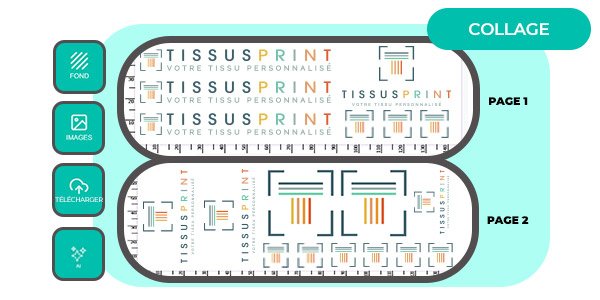

Small-run DTF printing is often an effective solution for testing a clothing brand. Designs are printed onto a film and then heat-transferred onto compatible garments, allowing you to launch a few styles, measure customer interest, and adjust your offering without building up a large inventory from the start.
A clothing brand isn't built with a single order. It's built through successive tests. The first designs are introduced, the first customers respond, and those reactions help shape the collection. The key is making sure these tests don't put your budget at risk.
That's the main advantage of small-batch production: it limits risk, keeps investment under control, and allows you to gather real customer feedback before increasing order quantities. The market leaves little room for guesswork. According to Refashion's 2024 activity report, France's textile industry eco-organization, 3.5 billion textile, household linen, and footwear items were placed on the French market in 2024, representing more than 890,000 metric tons. With such an extensive supply, it's best to know which products customers like before producing at scale.
Why launch a clothing brand in small batches?
Launching a clothing brand in small batches means validating your idea before scaling up. Just a few pieces can tell you whether a concept resonates with your target audience. And what you learn at this stage costs far less than discovering problems after placing a large order.
Keep investment and inventory under control
Inventory of pre-printed garments ties up cash. If those products don't sell, they can weigh down the entire project. With small-batch textile production, your financial commitment is proportionate to actual demand.
- Your initial budget is lower.
- The risk of unsold inventory is reduced.
- Revenue from early sales can be reinvested in the designs that perform best.
Test your designs with customers
A design its creator loves won't necessarily appeal to the target audience. Small runs make it possible to find out quickly by testing real garments that people can wear and comment on.
Example: An illustrator in Lyon wants to launch a T-shirt brand centered on cycling. Instead of printing ten designs, they select three and sell them at a booth during a local cycling race. By the end of the day, one design clearly stands out. That's the design they'll prioritize for further development.
Refine your offering before increasing quantities
Feedback from early buyers is valuable: a design may be too large, a garment color may be unflattering, or a fit may be too tight. These adjustments are easy to make with a small run. They become costly once you've produced 100 pieces.
How does DTF printing work?
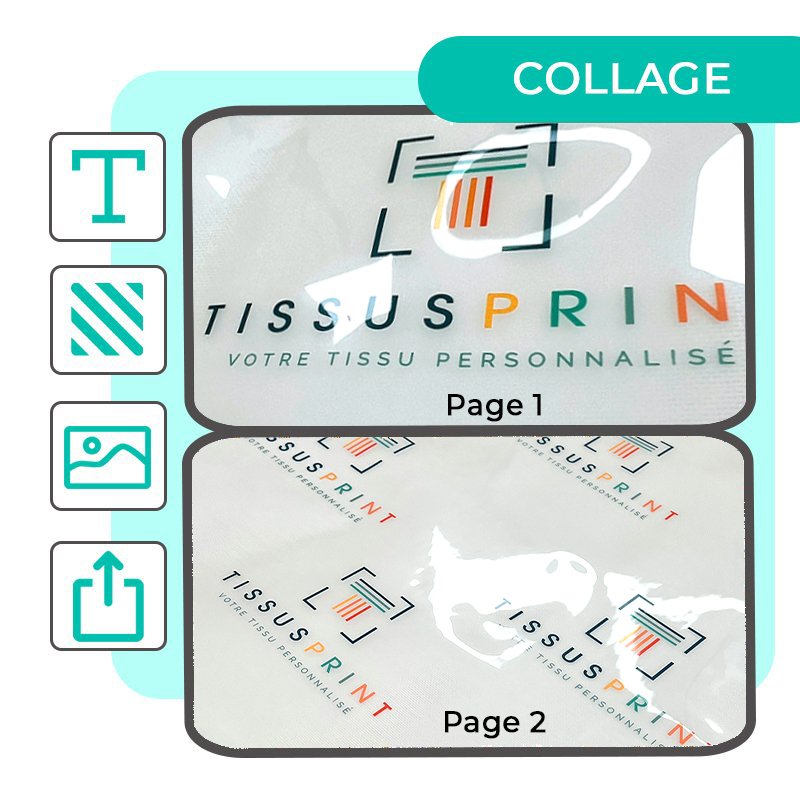
DTF printing (Direct to Film) is a transfer-based printing method. The design isn't printed directly onto the garment. Instead, it's first printed onto a film and then applied to the fabric using a heat press.
How DTF transfers work, explained simply
- The design is printed in color onto PET film, with a white underbase to improve opacity.
- Hot-melt adhesive powder is applied to the ink and then cured with heat.
- The film is positioned on the garment and heat-pressed. The design adheres to the fabric, and the film is then peeled away.
Please note: a ready-to-press DTF transfer still needs to be applied to a garment. It isn't an already customized textile product. This distinction matters when choosing your printing solution and calculating your budget.

The advantages of DTF for small quantities
- No printing screens need to be created for each design, unlike with screen printing.
- Multicolor designs, gradients, and fine details can be reproduced without additional costs based on the number of colors.
- The same transfer can be applied to different materials, including cotton, polyester, organic cotton, and fabric blends.
- Several designs can be tested at the same time, with quantities tailored to your project.
However, minimum order quantities vary by supplier and format. Be sure to check these requirements before placing an order.
What to check: compatibility, appearance, and care
- Fabric compatibility: The garment's composition and surface must be suitable for the transfer.
- Appearance: Check the contrast, feel, and size of the design on an actual garment.
- Care: Follow the application instructions (temperature, pressure, and pressing time) and washing recommendations to help ensure durability.
Which products should you choose to test your first collection?
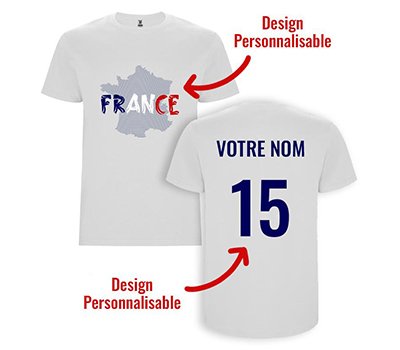
The best products for a test collection are items your target customers already wear or use every day: T-shirts, sweatshirts, hoodies, or tote bags. They're easy to understand, easy to sell, and make excellent test products for your designs.
T-shirts, sweatshirts, and other customizable textiles
| Product | Advantage for testing | What to consider |
|---|---|---|
| T-shirt | Entry-level product, affordable price, broad audience | Strong competition: the design needs to stand out |
| Sweatshirt or hoodie | Higher perceived value, larger print areas | Higher purchase cost and seasonal demand |
| Tote bag | One size, no size management | Lower selling price, so margins need to be monitored |
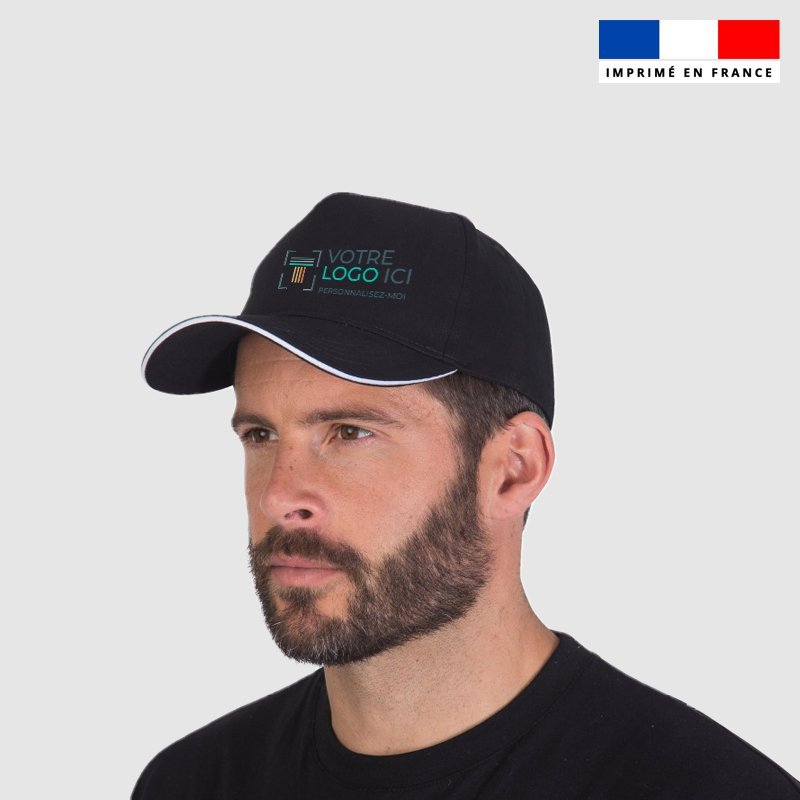
| Cap or accessory | Ideal add-on to increase average order value | Smaller print area; compatibility must be checked |
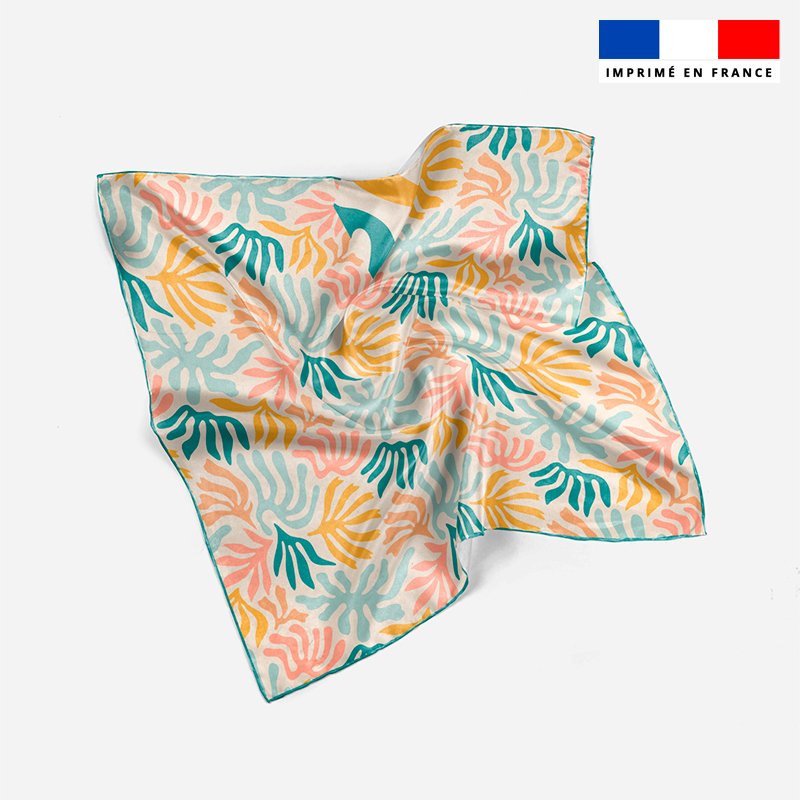
To explore the available options, Tissus Print's customizable textiles available online are a good place to start.

Choose a few coordinated styles and designs
A test collection doesn't need to be extensive. It needs to be cohesive. Two types of garments and three designs can already create a credible offering. Everything should tell the same story through a consistent visual identity, color palette, and clearly defined target audience.
Example: A trail-running association wants to offer merchandise to its members. It chooses a technical polyester T-shirt for running and an organic cotton sweatshirt for after the race, using the same logo in two sizes. The collection is small, but each product serves a distinct purpose.
Test the results before expanding the range
Before launching the run, produce one sample for each design-and-garment combination. Check placement, dimensions, and colors. Perform a test wash. If the results meet your expectations, you can move forward with production more confidently.
DTF, screen printing, or direct-to-garment printing: which method should you choose?
The right textile printing method depends on three factors: quantity, design complexity, and budget. DTF isn't always the best option, but it's often the most flexible choice for small runs.
| Criteria | DTF | Screen printing | Direct-to-garment (DTG) |
|---|---|---|---|
| Quantities | Suitable for small and medium runs | Most cost-effective for large runs | Suitable for single items and small runs |
| Designs | Detailed, gradient, and multicolor designs | Solid-color artwork and designs with few colors | Complex and photographic designs |
| Upfront costs | No screen setup fees | Screen setup fees for each color | No screen setup fees; pretreatment may be required |
| Materials | Cotton, polyester, and blends | Wide range, depending on the ink used | Primarily cotton, depending on the machine |
| Main consideration | Transfer feel and application | Higher costs for small quantities | Results may vary on dark fabrics |
When is DTF a good choice?
DTF is particularly suitable when:
- Production volumes are limited while you validate your collection.
- Designs include many colors or fine details.
- You need to test several designs at the same time.
- The same design needs to be applied to textiles made from different materials.
On the other hand, if you're printing a one- or two-color logo on several hundred items, screen printing is worth considering. For full-surface printing on light-colored polyester fabric, sublimation may be more suitable.
How much should you budget for a small run?
The cost of a small run isn't limited to DTF printing costs. It includes the full cost of each item, meaning every expense incurred before the product is sold. This is the figure that determines your actual margin.
Costs to include
- The garment or product: T-shirt, sweatshirt, tote bag, or another item.
- The DTF transfer, depending on its size and the number of designs.
- Transfer application, if handled by a service provider.
- Shipping for transfers or garments.
- Packaging, labels, and any sales commissions.
- Sample items and potential production losses.
Calculate your full cost and margin
The method is simple. Add all expenses to determine the full cost per item. Then compare that amount with the selling price before tax. The difference is your gross margin, which must cover your brand's operating expenses (website, marketing, and time spent) while generating a profit.
A practical example of how to calculate your selling price
Let's take a new brand launching an illustrated sweatshirt with a logo on the chest and a large design on the back. The amounts below are fictional estimates, expressed before tax. They illustrate the calculation method and do not reflect Tissus Print's prices.
| Cost item | Amount per item (before tax) |
|---|---|
| Organic cotton sweatshirt | €14.00 |
| DTF transfers (chest and back) | €6.00 |
| Application by a service provider | €3.00 |
| Packaging and label | €1.00 |
| Shipping and sales commissions | €3.50 |
| Allocated sample and production-loss costs | €1.00 |
| Full cost | €28.50 |
| Selling price: €59.00 including tax, or €49.17 before tax (20% VAT) | €49.17 |
| Indicative gross margin | €20.67, or approximately 42% of the pre-tax price |
In this example, counting only the sweatshirt and transfers would have put the cost at €20 instead of €28.50. That's an €8.50 difference per item. For a run of 50 sweatshirts, the estimated margin would be overstated by more than €400.
How can you test your collection in 5 steps?
Testing a clothing collection follows a simple, repeatable process. Five steps are enough to turn an idea into a decision based on concrete results.
Step 1: Define your target audience
Who will wear these clothes? For what occasions? At what price? The more precisely you define your audience, the easier it becomes to choose designs, products, and sales channels. “Young adults” is too broad. “Climbers aged 25 to 35 who go to indoor climbing gyms” is a much more specific target.
Step 2: Select a few styles
Choose two to four styles, no more. With fewer products, production remains manageable and results are easier to interpret: you'll quickly see which style sells best.
Step 3: Approve the designs and print quality
Check the files, then produce a test item for each style. Verify placement, design size, colors, and wash durability. Take accurate product photos at this stage for your sales listings.

Step 4: Gather initial feedback and sales data
Offer the collection through your chosen channels: online store, social media, creator markets, or events. Track sales, questions, and comments for each style. You can also run a preorder campaign, provided you clearly communicate delivery timelines.
Step 5: Improve the collection before expanding it
Analyze the results. Restock bestsellers and consider introducing new color options. Adjust or discontinue products that aren't performing well. This way, your next collection is built on real data rather than assumptions.
Mistakes to avoid when launching your clothing brand
Launching a clothing brand comes with well-known pitfalls. Four mistakes are especially common, and all can be avoided during the planning stage.
Launching too many products from the start
Ten styles, four colors, and six sizes already create 240 variations to manage. Your budget gets spread too thin, inventory becomes more complicated, and results are harder to interpret. A few well-managed products are better than an extensive range that's difficult to control.
Neglecting file quality and transfer application
A low-resolution file will produce a blurry design, regardless of print quality. Check dimensions, resolution, and transparent backgrounds before submitting your artwork. Apply the transfer according to the supplier's instructions.
Underestimating costs
Shipping, packaging, commissions, and sample items may each seem inexpensive. Together, however, they can significantly reduce your margin, as the example above demonstrates.
Relying only on social media reactions
A design that gets lots of likes won't necessarily sell. Likes provide some insight, but only actual sales and confirmed preorders truly validate a product.
Tissus Print's tips for a successful launch
As a specialist in professional textile customization, Tissus Print supports creators and emerging brands at every stage of their projects, from artwork preparation to the finished product.
Choose a printing solution that suits your project
Two options are available, depending on how your brand operates:
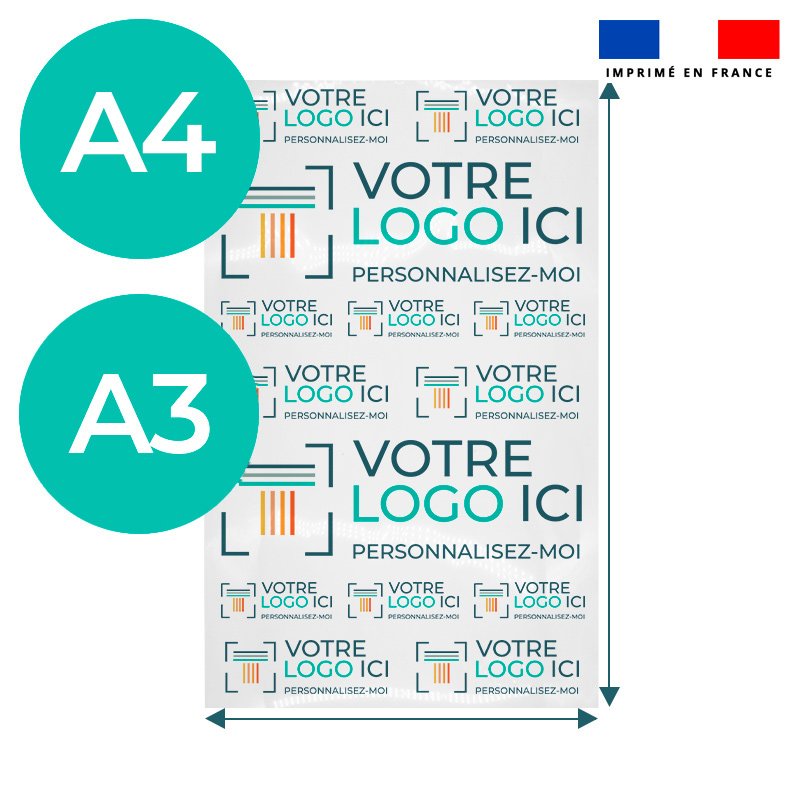
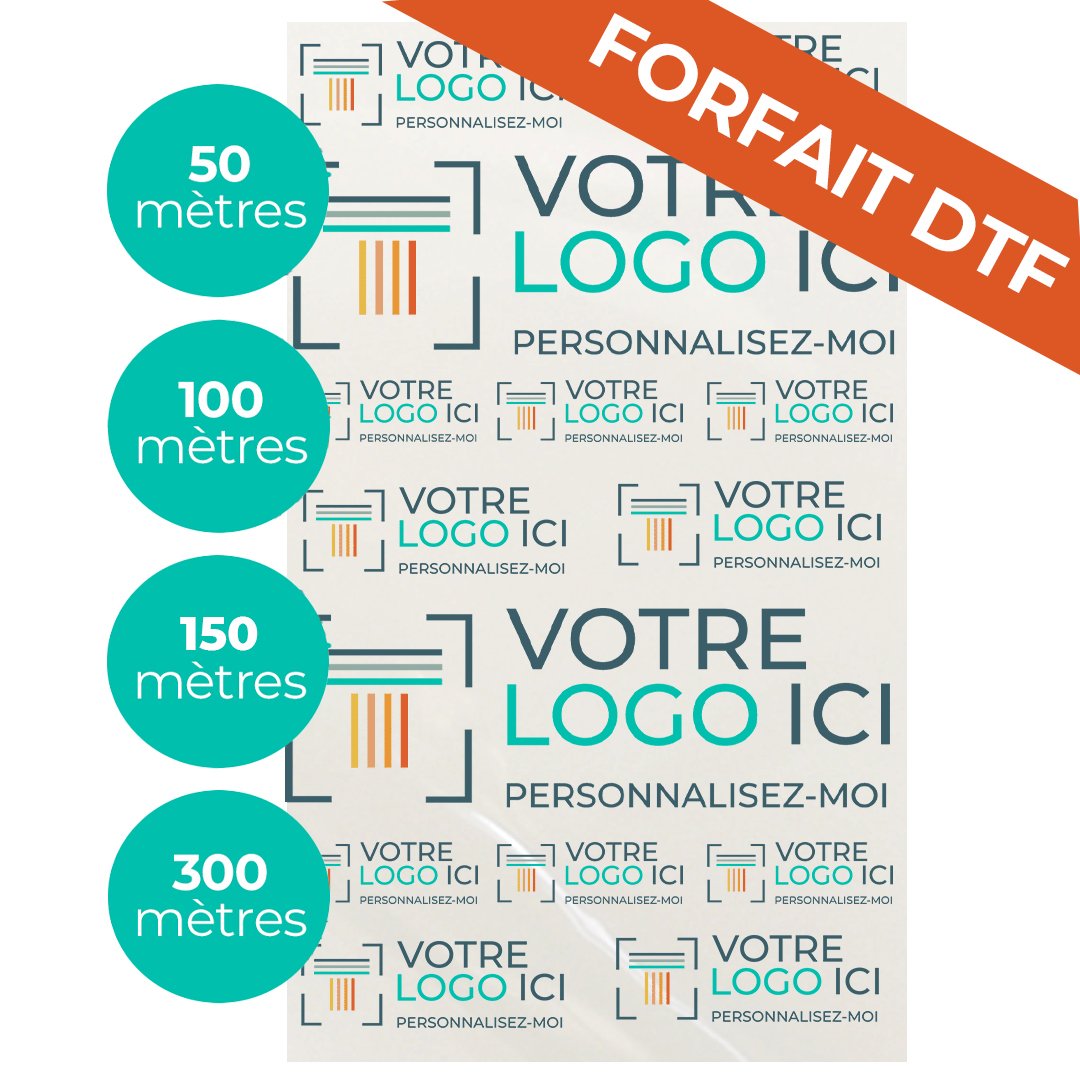
- Customizable DTF transfer film available online, for professionals with a heat press who want to apply their own transfers.
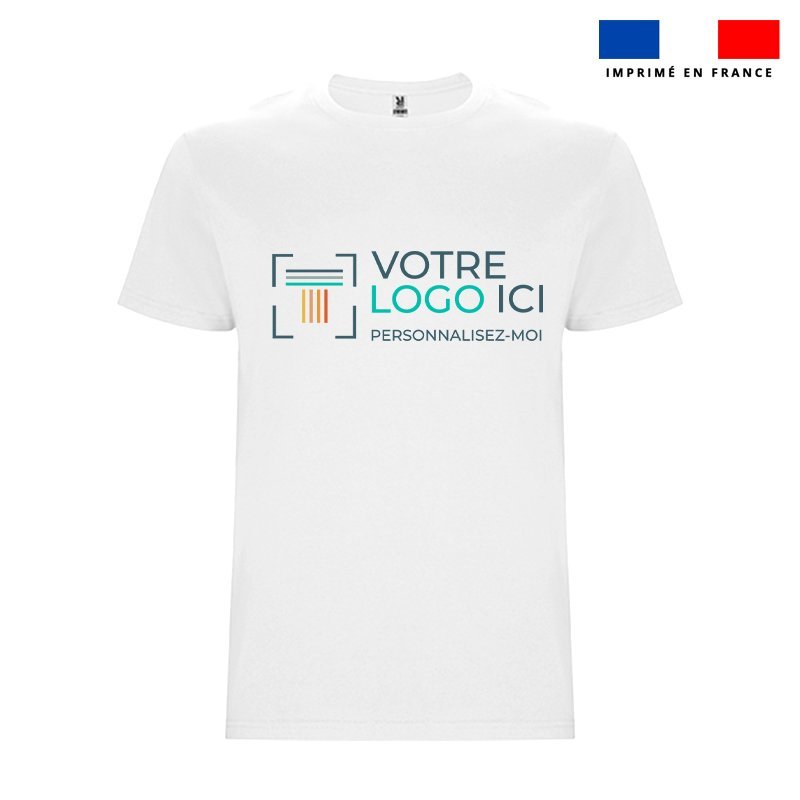
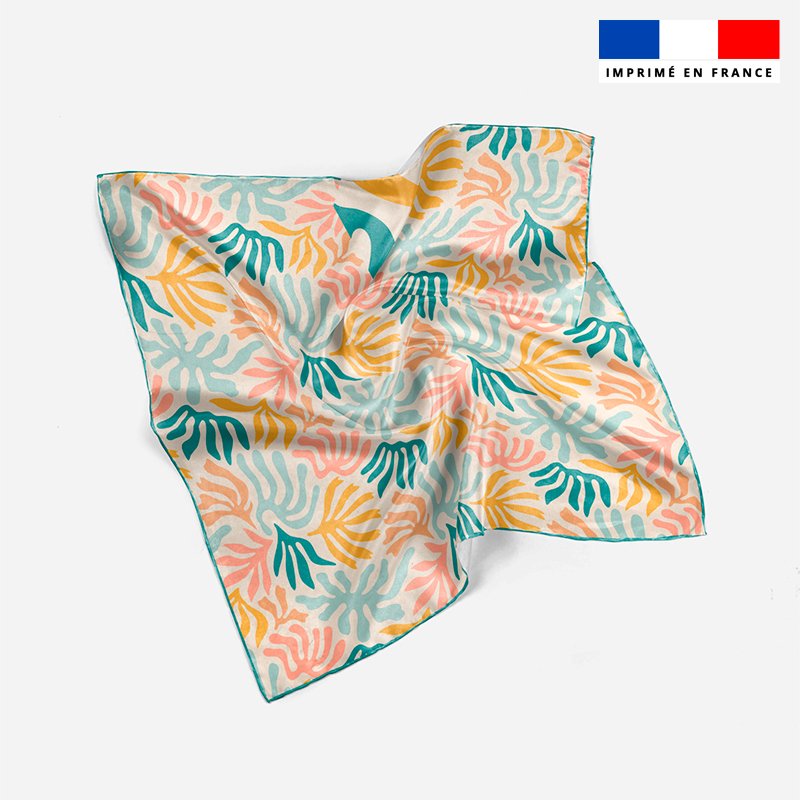
- Customizable textiles, so you can receive garments that are already printed and ready to sell.
Prepare your artwork correctly
A good transfer starts with a good file: correct dimensions, sufficient resolution, controlled colors, and a transparent background. If your design needs editing or you don't yet have a logo, Tissus Print's graphic design service for textile printing can prepare your artwork.
Choose products printed in France
Tissus Print's DTF films and customizable textiles are printed in France, near Toulon, in the Var department (83). This can reassure brands that want to know where their products come from and highlight that information to their customers.
FAQ: Small-run DTF printing
Is DTF suitable for launching a clothing brand?
Yes. DTF works well for launching a clothing brand when quantities are limited and designs are detailed or multicolored. It allows you to test several designs without screen setup fees. However, its suitability depends on the full cost per item and the chosen fabric.
Can you order DTF transfers in small quantities?
DTF is generally available in small quantities, but minimum order requirements vary by supplier and format. Check these conditions before planning your first collection.
Is DTF cost-effective for a small brand?
It can be, provided the full cost of each item (garment, transfer, application, shipping, packaging, and commissions) is compatible with your target selling price. Calculating your margin accurately is essential before starting production.
Which textiles can be customized with DTF?
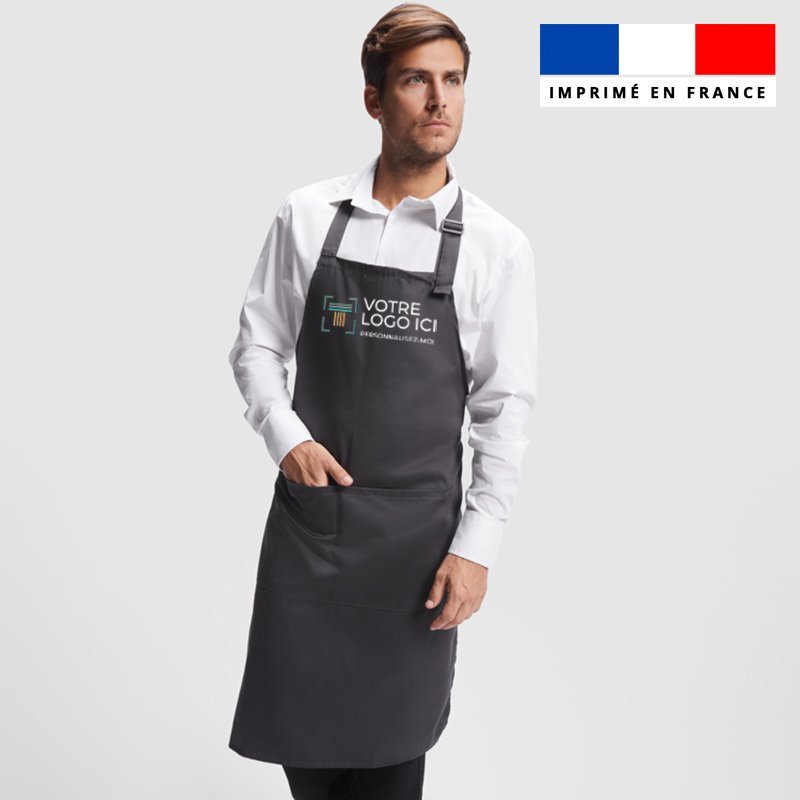
DTF can be applied to many textiles, including T-shirts, sweatshirts, hoodies, tote bags, and workwear made from cotton, organic cotton, polyester, or blended fabrics. However, compatibility must be checked according to the composition and surface of the product.
Do you need to buy a heat press to get started?
Not necessarily. A heat press is required if you want to apply DTF films yourself, but you can also hire a service provider to apply the transfers or order garments that are already customized. The right option depends on your budget, production volume, and business setup.
Conclusion: Test first, invest later
Small-batch production allows you to test ideas, gather concrete feedback, and refine your offering before investing more. DTF is particularly well suited to this approach: no screen setup fees, colorful designs, and flexibility in your choice of products. The key is to calculate your full costs and validate every style with a test item.
A strong brand doesn't happen overnight. It grows collection by collection, based on what customers actually buy.
Ready to launch your first collection? Explore Tissus Print's customizable DTF transfer film and customizable textiles, printed in France, and bring your first designs to life today.


0 commentaires