





Latex printing applied to advertising now enables the creation of high-impact, fully customized media that are durable over time and perfectly suited to professional event and commercial communication.
In a context where capturing public attention is increasingly challenging, companies, associations, and event organizers must rely on highly visible communication media that are both high-quality and versatile, capable of enhancing their brand image without compromising durability.
According to several visual communication studies, more than 70% of purchasing decisions at physical touchpoints are influenced by the quality and readability of visual materials, particularly during events, trade shows, and promotional operations.
What is latex printing and why is it appealing to modern advertising?
The principle of latex printing explained simply

Latex printing is based on a digital printing technology using heat-polymerized latex inks. Unlike traditional inks, these inks are precisely applied to the substrate without excessive penetration, preserving the material’s structure while ensuring optimal adhesion.
Instant drying is one of the key advantages of this technique. Once applied, heat triggers immediate polymerization, permanently fixing the pigments. Materials can therefore be handled, cut, or installed without delay, representing a significant time-saving benefit for visual communication professionals.
Key advantages for visual communication
The color rendering achieved with latex printing stands out for its uniformity and high definition. Complex visuals, subtle gradients, and high-resolution images are reproduced with remarkable accuracy, allowing brands to showcase their visual identity without distortion.
Durability is another decisive advantage. Latex-printed materials perform exceptionally well under various exposure conditions, whether indoors or outdoors. Resistance to UV rays, moisture, and temperature variations ensures long-lasting performance far beyond that of traditional printing methods.
The versatility of printable substrates is a strategic advantage for professionals. Banners, technical textiles, flexible or rigid PVC, adhesive vinyl—latex printing adapts to a wide range of materials, enabling consistent communication across multiple visibility channels.
Finally, this technology perfectly adapts to business needs regardless of order size. Small batches benefit from the same print quality as large productions, making customization accessible even for one-off campaigns or communication tests.
Which advertising media can be printed using latex technology?

Flexible media and professional signage
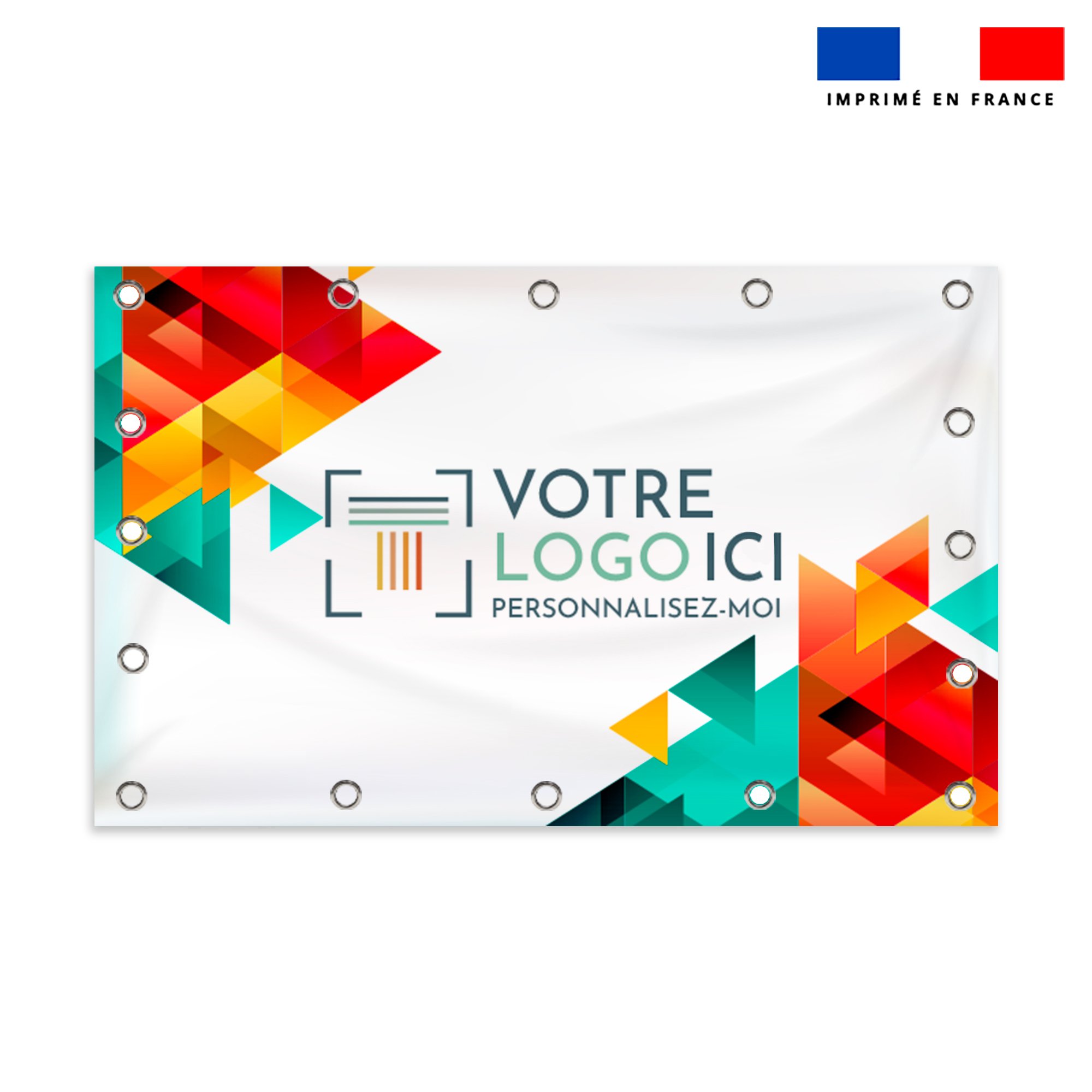
Custom advertising banners are among the most востребованных supports in latex printing. Their large format and weather resistance make them ideal tools for outdoor communication, whether on building facades, scaffolding, or construction sites.
Event banners fully benefit from the flexibility offered by latex printing technology. Suspended at festivals, installed at trade show entrances, or deployed during sporting events, they capture attention while withstanding repeated handling.
PVC media, whether flexible or rigid, provide a versatile solution for signage both indoors and outdoors. Directional signs, price displays, regulatory information—latex printing ensures optimal readability and durability in demanding commercial environments.
Large-format wall posters benefit from the color precision of latex printing. Installed in reception areas, retail spaces, or waiting zones, they enhance brand image with a professional finish that stands the test of time.
POS displays and exhibition elements represent a strategic use of latex printing. Reception counters, roll-up banners, display stands, and totems retain their vibrancy throughout an event, even under intensive use conditions.
Textile media and specialty materials
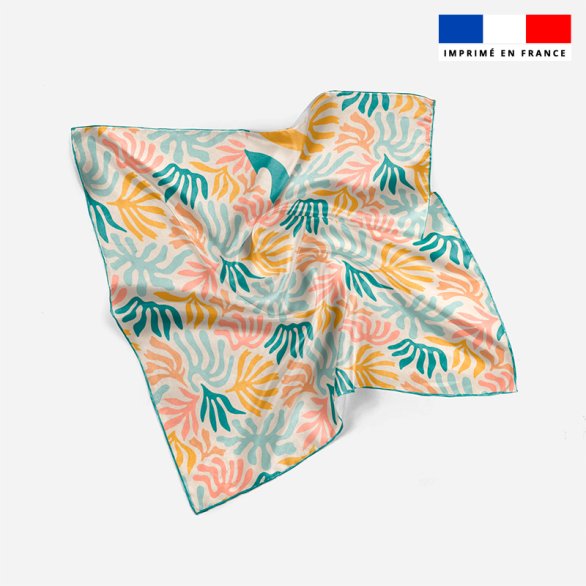
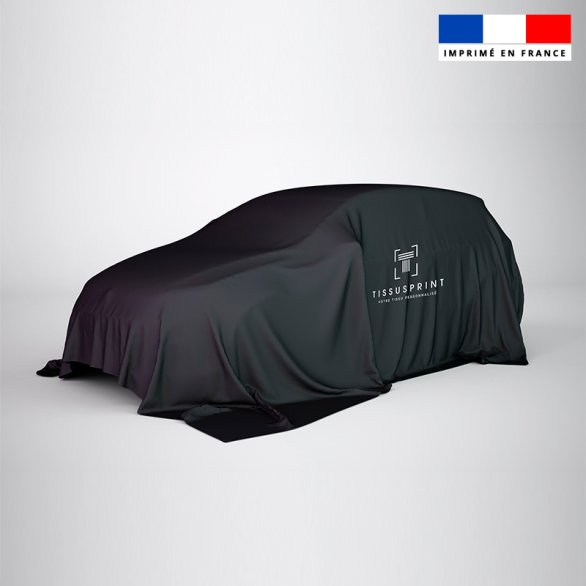
Technical textiles compatible with latex printing open new possibilities for event communication. Polyester fabrics, canvas, and hybrid materials enable the creation of immersive décor, booth coverings, or modular partitions that combine lightweight structure with strong visual impact.
Custom faux leather offers a unique medium for premium applications. Restaurant menus, business portfolios, premium packaging, or decorative elements—latex printing on faux leather combines elegance with durability for standout communication.
Hybrid textile-PVC materials meet specific needs in event decoration. Photo backdrops, space dividers, or temporary wall coverings benefit from the flexibility of textiles and the stability of PVC, with flawless print quality.
These materials are used across various contexts: retail window displays updated with seasonal collections, modular booths adaptable to different trade shows, festivals requiring weather-resistant installations, and promotional operations demanding quick setup and dismantling.

Latex printing vs other techniques: what are the real differences?
Choosing a printing technique requires a clear understanding of each solution’s strengths and limitations. Latex printing positions itself as a balanced technology capable of meeting most professional needs while offering an excellent ratio between visual quality, versatility, and durability.
| Criteria | Latex Printing | Solvent Printing | UV Printing |
|---|---|---|---|
| Media versatility | High | Medium | High |
| Visual quality | High quality | Good | Very high |
| Durability | Excellent | Good | Excellent |
| Ease of use | Very good | Limited | Moderate |
| Event use | Ideal | Possible | Ideal |

Solvent printing, long considered the standard for outdoor applications, offers satisfactory durability but comes with constraints related to emissions and drying time. It remains relevant for specific uses but has gradually lost ground to more versatile technologies.
UV printing stands out for its exceptional visual rendering and ability to print on a variety of rigid substrates. It excels in producing panels, signage, and premium communication materials. However, its lower flexibility limits its use in event applications requiring portable and flexible media.
Latex printing occupies a strategic position by combining the advantages of both technologies:
- print quality comparable to UV,
- greater durability than solvent,
- and versatility that makes it a benchmark solution for professional visual communication.
Its adaptability to both flexible and rigid media, combined with instant drying, meets the operational requirements of event and field marketing professionals.


0 commentaires