








Textile digital printing is evolving rapidly thanks to technological innovation, transforming creative and eco-friendly possibilities in the industry. This article explores the latest trends, from hyper-personalization to the use of DTF technology, for an innovative textile future.
Table of Contents
The textile printing industry is undergoing an exciting revolution, driven by innovative technologies that redefine fabric creation, production, and usage. Whether you are a designer, a business, or an individual, advances in textile digital printing offer endless possibilities, both in terms of customization and sustainability. From 3D fabric development to artificial intelligence integration, and the rise of DTF printing, this article explores future textile printing trends shaping the industry's future, with a focus on personalization and eco-friendly practices.
Hyper-Personalization: The Essence of Textile Innovation
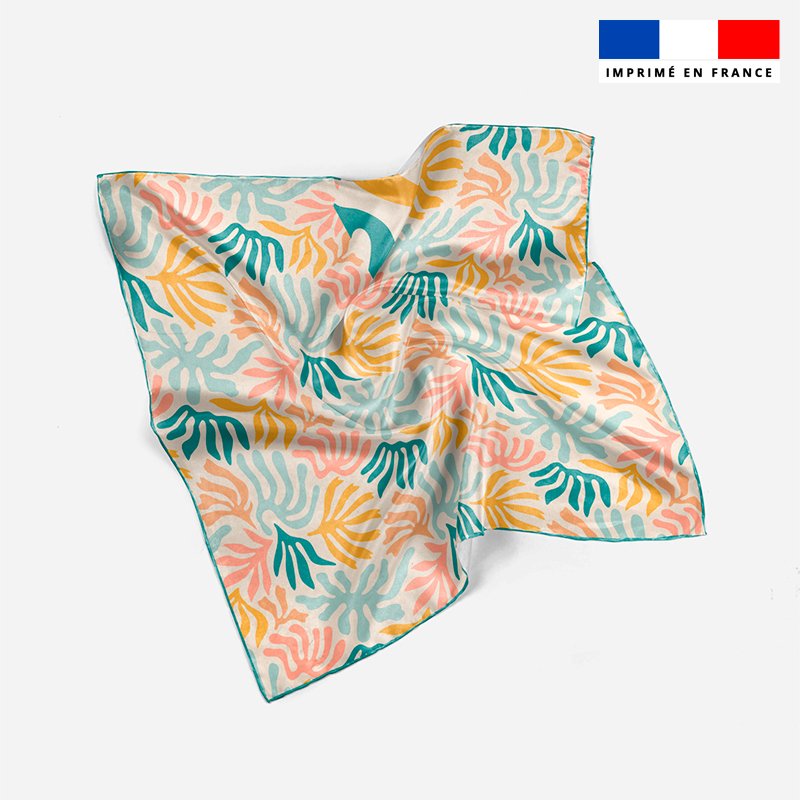
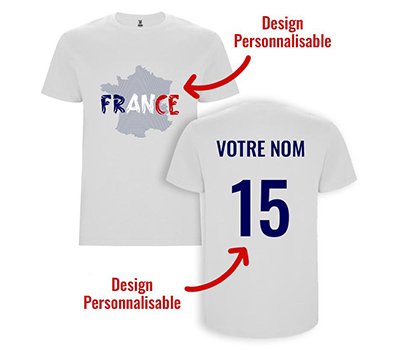
In a world where individuals and organizations seek to stand out, hyper-personalization has become a major trend in textile innovation. Thanks to modern textile digital printing technologies, it is now possible to transform your ideas into unique creations. Whether for individuals, businesses, or associations, textile personalization perfectly meets your needs.
Why is hyper-personalization so important?
Hyper-personalization goes beyond simply adding a logo or pattern to a fabric. It allows the creation of textiles that tell a story, reflect an identity, and create a strong emotional connection with the recipient. This level of customization is essential in several areas:
- Personal and professional events: Create unforgettable memories with personalized textiles for weddings, birthdays, or corporate events. Consider decorative tablecloths, tote bags, and clothing with exclusive designs.
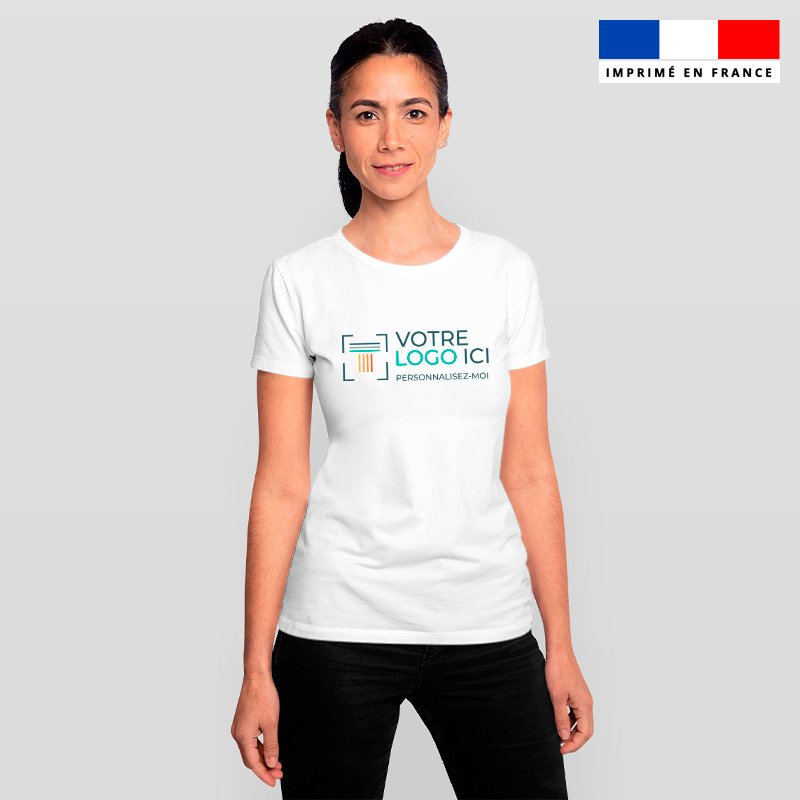
- Brands and businesses: Differentiate yourself by dressing your teams or retail spaces with custom textiles (t-shirts, aprons, or fabric bags). An original and effective way to strengthen your brand image.
- Associations and sports clubs: Give your members a sense of belonging through personalized uniforms in your group or team colors.
- Unique gifts: Make a lasting impression with personalized gifts such as baby bodysuits, pouches, or custom sweatshirts. A thoughtful gesture always appreciated.
Tools for hyper-personalization
At Tissus Print, we use advanced textile printing technologies to ensure a flawless result that matches your expectations:
- Direct inkjet printing: Ideal for cotton, this method offers remarkable precision and crisp details, perfect for complex designs or images.
- Sublimation printing: Specifically designed for synthetic fabrics, this technology guarantees vibrant colors and long-lasting results, even after multiple washes.
- DTF (Direct-to-Film) technology: An innovative process that allows printing complex patterns with exceptional quality, regardless of fabric type.
DTF Technology: A Must-Have Trend in Textiles
Among recent innovations in textile digital printing, DTF (Direct-to-Film) technology stands out as a revolutionary solution. Versatile, precise, and durable, this printing method is increasingly popular among designers, professionals, and textile enthusiasts. At Tissus Print, we have adopted this technology to meet the demands of even the most ambitious projects.
What is DTF technology?
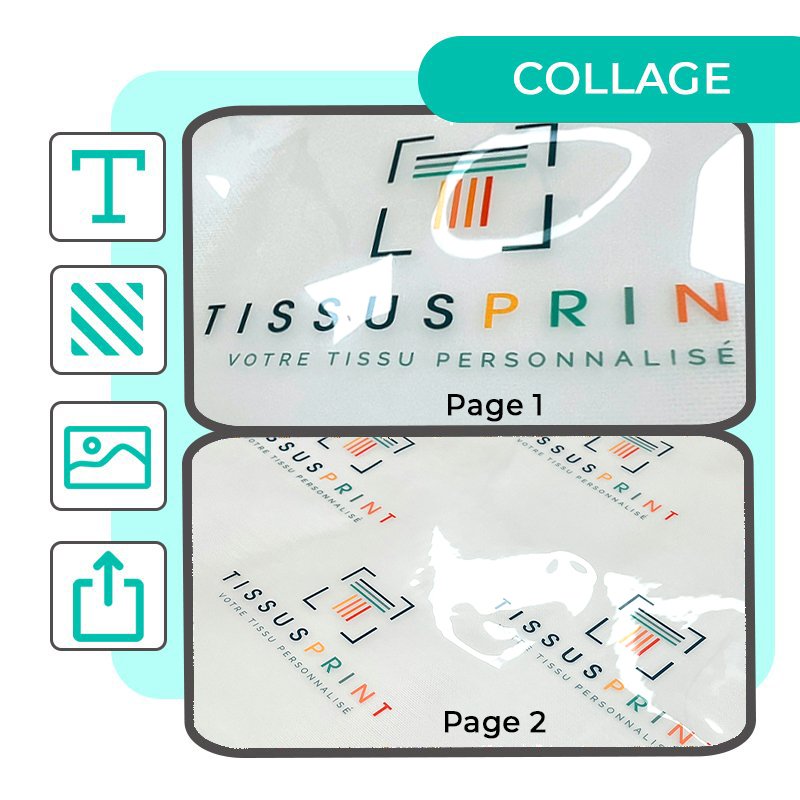
Direct-to-Film (DTF) is an innovative process where a design is first printed onto a special film and then transferred onto fabric using a heat press. Unlike other techniques, this method is not limited to a single fabric type. It enables printing complex designs with exceptional quality on any fabric.
Advantages of DTF printing
DTF technology offers many benefits, making it a preferred choice for on-demand printing:
- Increased durability: DTF prints withstand multiple washes while maintaining vibrant colors and detailed patterns.
- Textile versatility: Compatible with a wide range of fabrics, from cotton to polyester and blended or technical materials.
- Precise and vibrant results: This method reproduces multicolor and complex designs perfectly, even on small surfaces.
- Exceptional finishes: Soft and pleasant to the touch thanks to harmonious ink integration into the fabric.
- Production flexibility: Whether for a single piece or bulk production, DTF meets diverse client needs.
Practical applications of DTF technology
DTF is ideal for a wide variety of textile projects. Examples include:
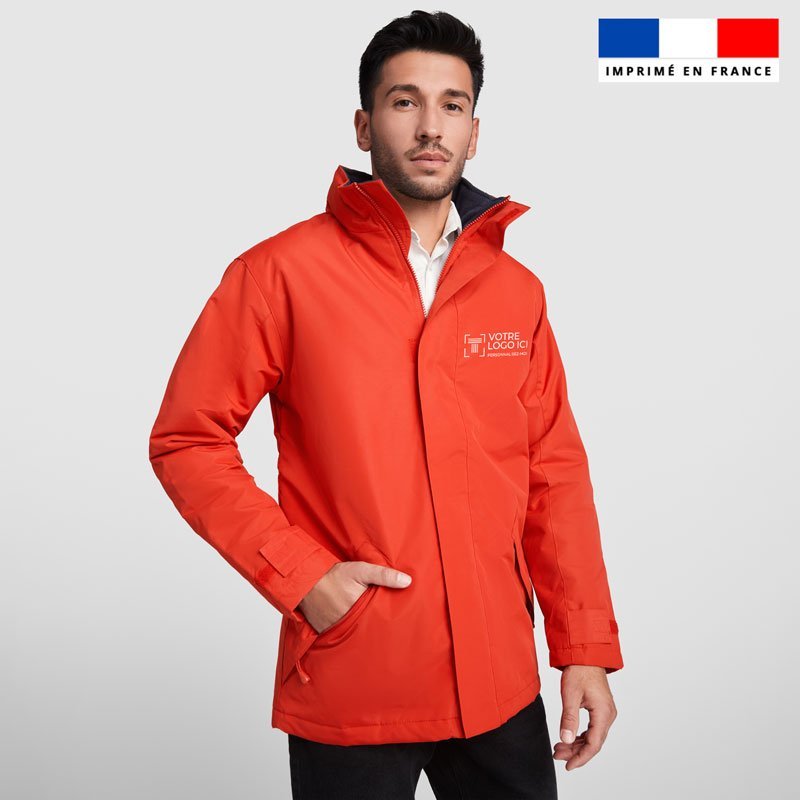
- Customized clothing: Print t-shirts, sweatshirts, jackets, or sportswear with long-lasting vibrant designs.
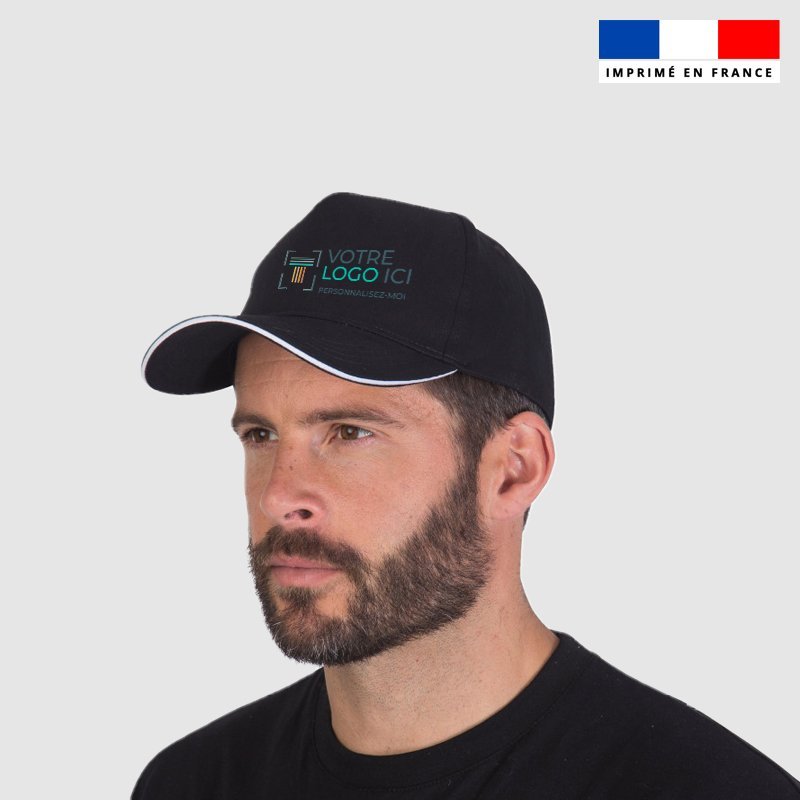
- Tailored accessories: Add a unique touch to tote bags, pouches, caps, or cushion covers.
- Professional textiles: Create uniforms or corporate apparel that combine elegance and personalization.
- Promotional items: Offer personalized textile items to reinforce your brand at events or trade shows.
DTF and the future of textile printing
DTF technology continues to grow in popularity due to its ability to meet current market trends: personalization, speed, and eco-friendliness. It opens new opportunities to create textiles that combine aesthetics and functionality, accessible to a wide range of industries. At Tissus Print, we are committed to pushing the limits of textile innovation with technologies like DTF. Whether you are an individual, professional, or brand, make your projects a unique reality with our digital textile printing solutions.
Towards Sustainable and Responsible Textile Printing
The textile industry is at a pivotal moment. With growing environmental and ethical concerns, consumers seek planet-friendly alternatives. Beyond organic and recycled fabrics, textile digital printing emerges as an innovative solution, meeting these expectations while ensuring exceptional quality. At Tissus Print, we prioritize eco-friendly options without compromising creativity.
Why choose sustainable textile printing?
The environmental impact of the textile industry is significant: water pollution, excessive resource use, textile waste… Transitioning to sustainable practices is essential to preserve the environment and meet growing demand for ethical products. Here are some reasons to adopt an eco-responsible approach in your textile projects:
- Reducing ecological footprint: Using environmentally friendly raw materials, such as organic cotton or Oeko-Tex certified fabrics, minimizes negative impacts on the planet.
- Supporting a sustainable economy: Choosing textiles from responsible production chains contributes to an economic model that respects workers and resources.
- Customer satisfaction: Today, consumers value brands and businesses that adopt sustainable practices.
Our ecological commitments at Tissus Print
We place environmental respect at the heart of our activity. Through technological and strategic choices, we minimize impact while offering textiles of impeccable quality:
- Use of organic fabrics: Our raw materials include certified organic cotton grown without pesticides or harmful chemicals.
- OEKO-TEX certification: Our fabrics are free of harmful substances, ensuring printing that is safe for your skin and the environment.
- Optimized processes: Our digital printing methods consume less water and energy compared to traditional techniques.
- Eco-friendly inks: We use certified, non-toxic, solvent-free inks, ensuring durable and environmentally respectful results.
Integrating sustainability into your textile projects
Sustainability goes beyond material choices. It involves a global approach to design and textile usage:
- Favor timeless designs: Long-lasting textiles reduce waste and extend product life.
- Produce in reasonable quantities: Digital printing allows on-demand production, minimizing waste based on actual needs.
- Reuse scraps and surplus: Consider using fabric scraps to create accessories or reusable samples.
Sustainability as a driver of innovation
Integrating sustainable practices does not mean sacrificing innovation. On the contrary, it stimulates creativity and opens new opportunities:
- Recycled textiles: We explore solutions that reuse fibers to create new fabrics while reducing waste.
- More efficient processes: We invest in increasingly efficient printing technologies, minimizing environmental impact.
- Customer awareness: We guide partners and clients in integrating sustainability into their textile projects.
At Tissus Print, we firmly believe the future of textiles lies in environmentally respectful practices. Whether you are a fashion designer, business, or individual, our sustainable solutions allow you to realize your ideas while caring for the planet.
Artificial Intelligence: A Revolution in Textile Innovation
Artificial intelligence (AI) is transforming multiple industries, and the textile sector is no exception. By combining technological innovation with creativity, AI changes the way we design, produce, and personalize textiles. At Tissus Print, we leverage AI tools to provide solutions that are increasingly precise and tailored to your needs.
How AI revolutionizes textile printing
AI plays a key role in several stages of the textile production chain, improving quality, speed, and process efficiency. Examples include:
- AI-generated designs: Advanced algorithms allow the creation of original, unique patterns in just a few clicks. These tools enable endless combinations for textile personalization.
- Color and pattern optimization: AI analyzes designs to ensure optimal rendering, automatically adjusting colors and sizes based on the chosen fabric.
- Predictive production: By analyzing order data and market trends, AI anticipates needs and optimizes inventory to prevent overproduction.
Tissus Print AI tools
We have integrated AI technologies into our process to simplify personalization and ensure flawless quality. We use AI to:
- Design assistance: Tools allow real-time visualization of creations on different fabrics, enabling detailed refinement before printing.
- Image recognition: Upload photos or patterns: our AI analyzes and optimizes them for perfect textile integration.
- Smart suggestions: Our platform offers ideas and adjustments based on your preferences, streamlining the creation process for both beginners and experts.
Benefits of AI in textiles
- Time-saving: AI automates complex tasks, taking projects from idea to production faster.
- Improved precision: AI minimizes errors, ensuring results meet expectations.
- Unlimited creativity: Generating unique designs opens new possibilities for creators and brands.
- Sustainability: Better resource management and on-demand personalization reduce textile waste.
The future of AI in textile innovation
AI continues to evolve, with enormous potential in textiles. Future advancements include:
- Fully automated design: Clothes and accessories designed entirely by algorithms based on consumer needs.
- Augmented reality personalization: Visualize creations directly on virtual mannequins with immersive technologies.
- Advanced predictive analysis: Anticipating trends and customer preferences with sophisticated AI models.
At Tissus Print, AI is more than a tool—it’s a source of inspiration and efficiency. We apply it to create unique, innovative textiles aligned with current trends. Trust AI to enhance your creations and revolutionize your textile experience.
Customized 3D Fabric: A New Dimension for Your Projects
Customized 3D fabric is a textile innovation that adds relief and texture to your creations, offering a modern and original touch.
Creative uses include:
- Interior decoration: Cushions, curtains, or rugs with unique textures.
- Fashion and haute couture: Clothing that combines elegance and modernity with raised patterns.
- Advertising materials: Add dimension to stands and banners.
At Tissus Print, we master this technology to bring your ideas to life. Learn more about custom 3D fabrics.
Future Trends: Towards Connected and Interactive Textiles
The textile industry is constantly evolving, and future innovations aim to transform how we use textiles daily. Connected and interactive textiles represent one of the biggest recent advancements. These textiles are no longer just materials; they become intelligent devices integrated into daily life, capable of interacting with users and their environment.
What are connected textiles?
Connected textiles integrate electronics, sensors, and computing devices into the fabric itself. They can measure, transmit, or receive information, turning any textile into an interactive tool. Applications include clothing, accessories, bedding, and everyday items, transforming them into communication, monitoring, or assistance tools.
Applications and benefits
- Health and wellness: Monitor heart rate, body temperature, or activity discreetly and non-intrusively for professionals and consumers.
- Sports and performance: Analyze movements, posture, and effort in real time, helping athletes improve technique and prevent injuries, while providing valuable data for coaches.
- Fashion and personalization: Clothes that change color, pattern, or texture based on user preferences allow maximum personalization and unique experiences.
- Waste reduction: Measuring and optimizing energy and resource use helps reduce waste and improve production efficiency.
Underlying technologies of interactive textiles
- Sensors: Embedded sensors collect data such as pressure, temperature, and humidity.
- Wireless connectivity: Bluetooth, 4G, or 5G integration enables real-time data transmission.
- Microelectronics: Miniaturized components like flexible circuits, ultra-thin batteries, and power systems enable autonomous operation and portability.
Nanotechnology: A Textile Revolution
Nanotechnology allows manipulation of materials at the atomic level to enhance fabric properties, including water resistance, antibacterial traits, and elasticity. It enables more durable, high-performance, and eco-friendly textiles. In France, experts such as Yannick Breton and Bruno Mougin are leading research to integrate these technologies into innovative textile products.
Video: Connected T-shirt for Sports and Health
See a practical example of connected textiles in action with this video, demonstrating how a connected T-shirt improves sports performance and user comfort for health monitoring:
Connected T-shirt for Sports and Health – Comfort, Performance, and Interactivity
Conclusion: The Future of Textile Digital Printing is Promising
The textile industry stands at a crossroads, where digital printing technologies, such as DTF printing, hyper-personalization, and sustainable materials, are transforming how textiles are designed and used. Artificial intelligence integration and the rise of connected textiles offer new opportunities, allowing creators and businesses to offer more personalized, efficient, and eco-friendly products. At Tissus Print, we support our clients in this innovative journey, providing textile solutions that combine technology, creativity, and sustainability. Whether you seek unique products or aim to adopt responsible practices, current trends in textile printing offer limitless potential to meet your needs.


0 commentaires