


Are you launching your clothing brand or looking to offer custom textile pieces to your customers? Before choosing the printing method that will support your project, it is essential to understand the differences between the three most common techniques: DTF (Direct To Film), DTG (Direct To Garment), and Heat Transfer Vinyl (Flex). Each method has its advantages, technical constraints, and costs.
At Tissus Print, we assist emerging brands, designers, and textile professionals daily in selecting the right printing solutions. As specialists in DTF textile printing, we also provide all the necessary equipment for professionals through our dedicated site DTF-France.com.
In this article, we help you make an informed choice to select the method that best suits your creative objectives and production volume. DTF, DTG, or Flex: which technique is right for you?
Do you want to launch your own textile brand, customize t-shirts, or create unique pieces on demand? Before equipping yourself or outsourcing your designs, it is crucial to understand the differences between the main techniques on the market: DTF, DTG, and Flex. At Tissus Print, specialists in DTF textile printing, we guide you to make the right choice according to your needs, budget, and level of expertise.
What is DTF printing?
How it works
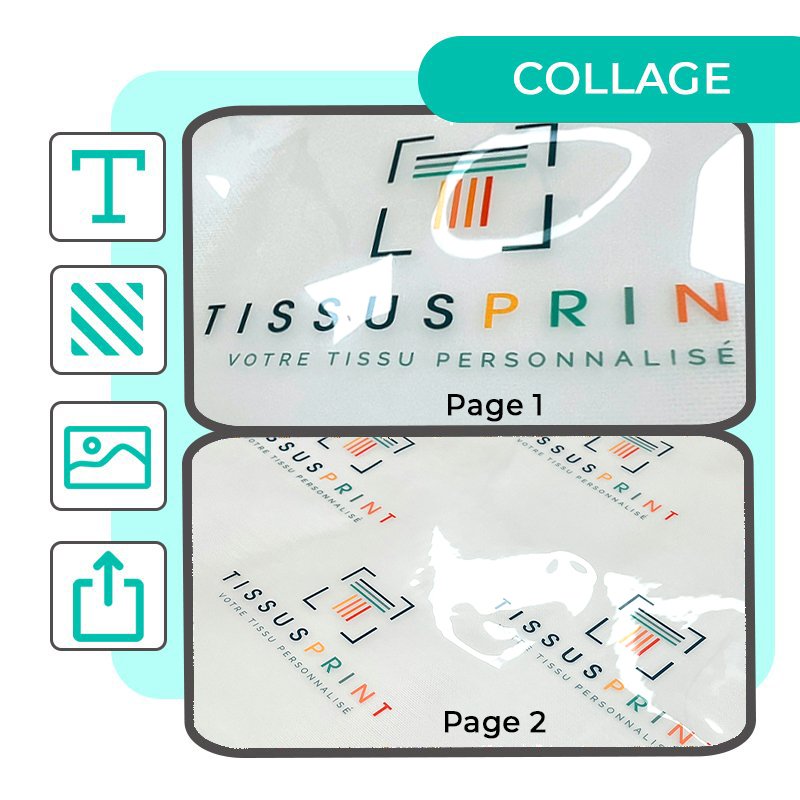
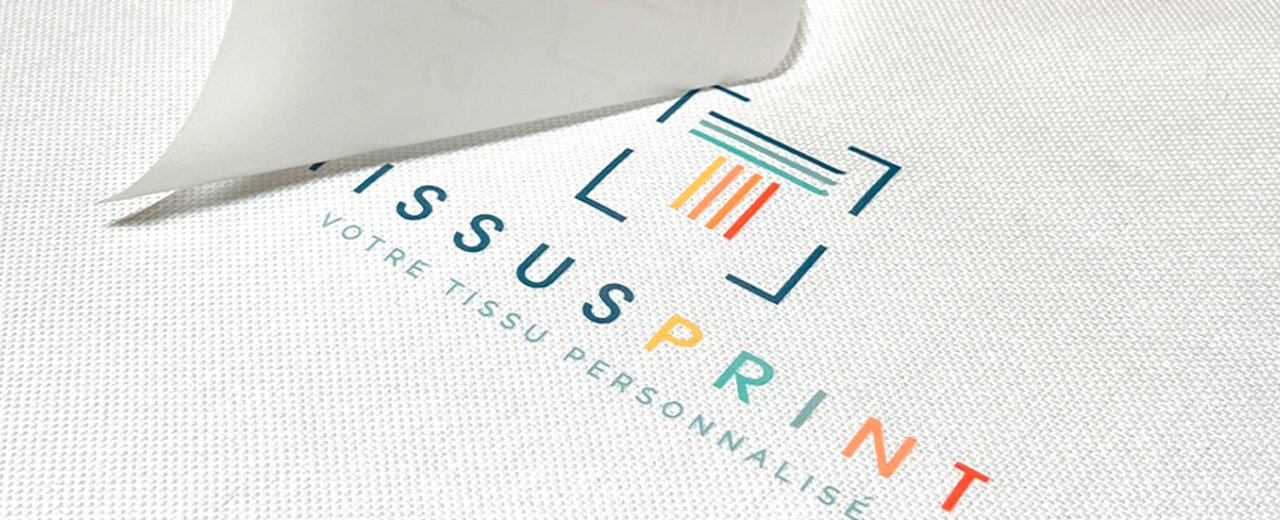
DTF (Direct To Film) printing involves printing a full-color design onto a DTF film, then applying the film to the fabric using a heat press or even a regular iron. A layer of heat-activated adhesive is applied between the ink and the fabric to ensure excellent adhesion.
Compatible materials
One of DTF’s biggest advantages is that it is compatible with almost all fabric types: cotton, polyester, technical textiles, blends, dark or light fabrics.
Main advantages
- Sharp, vibrant print even on dark backgrounds
- Excellent wash durability (up to 60°C)
- Easy to apply, even without professional equipment
- Possibility to pre-print films in advance
- Ideal for small or large batch textile customization
For professionals looking to equip themselves, explore our dedicated site DTF-France.com: inks, DTF adhesive, film rolls, printers—all available.
What is DTG printing?
How it works
DTG (Direct To Garment) prints ink directly onto the fabric, like a printer on paper. It requires a specialized DTG printer, which is often expensive, and properly prepared cotton fabrics (pre-treatment mandatory).
Limitations and technical constraints
- Works primarily on light-colored cotton (less effective on dark fabrics)
- Fabric pre-treatment required
- Decent durability but often lower than DTF after washing
- High cost for small quantities
What is Flex (Heat Transfer Vinyl)?
Description
Heat transfer vinyl (Flex) is a material (usually vinyl) that is cut to the shape of the design and then applied to the fabric using heat. There is no traditional printing, only a single-color or multi-layer vector cut.
Required tools
- Cutting plotter
- Weeding tool (to remove excess vinyl)
- Heat press (essential)
Less suitable for large batches
Flex is appreciated for simple designs (names, numbers, monochrome logos) but becomes cumbersome for larger volumes or complex designs. No gradients possible, no fine details.
Comparison table: DTF vs DTG vs Flex
| Criterion | DTF (Direct To Film) | DTG (Direct To Garment) | Flex (Heat Transfer Vinyl) |
|---|---|---|---|
| Visual quality | Excellent: photo-quality, gradients, fine lines, vibrant colors | Very good: smooth finish, ideal for clear designs on cotton | Good: bright colors but limited to solid areas, no gradients |
| Wash durability | Very high (up to 60 washes), no cracking | Moderate: decent but fades faster | Good, but may crack over time |
| Garment comfort | Flexible, thin, subtle to the touch | Very soft, almost imperceptible | Thicker, rigid plastic-like feel |
| Possible designs | All types: complex logos, photos, fine lettering, multicolor | Best for photos and clear designs on light cotton | Simple shapes, basic lettering, no fine details |
| Fabric compatibility | All fabrics: cotton, polyester, blends, technical materials, all colors | Light or medium cotton only (white and pale colors) | All fabrics, but best for simple designs |
| Ease of application | Very easy: apply, heat, peel → even at home | Requires special printer, not feasible at home | Easy to apply but manual cutting and weeding required |
Which technique should you choose for your project?
For personalized clothing (t-shirts, sweatshirts, hoodies)
DTF textile printing is currently the most flexible and cost-effective technique. It works with various cuts, fabrics, background colors, and design sizes.
Small vs large batches
- Small batches? DTF is simpler than DTG and faster than Flex
- Large batches? DTF by linear meter is economical and quick to apply
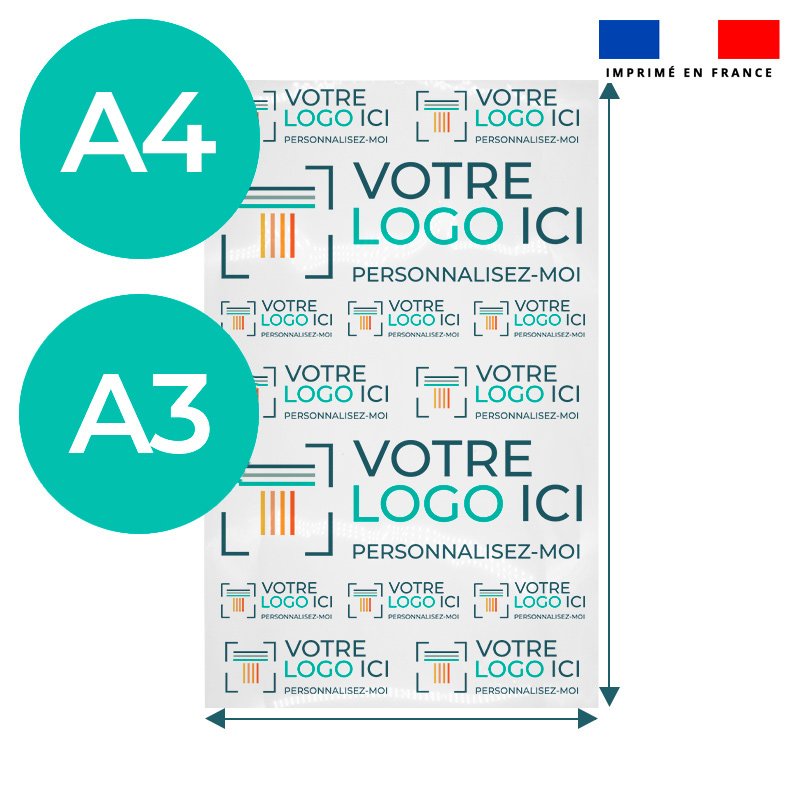
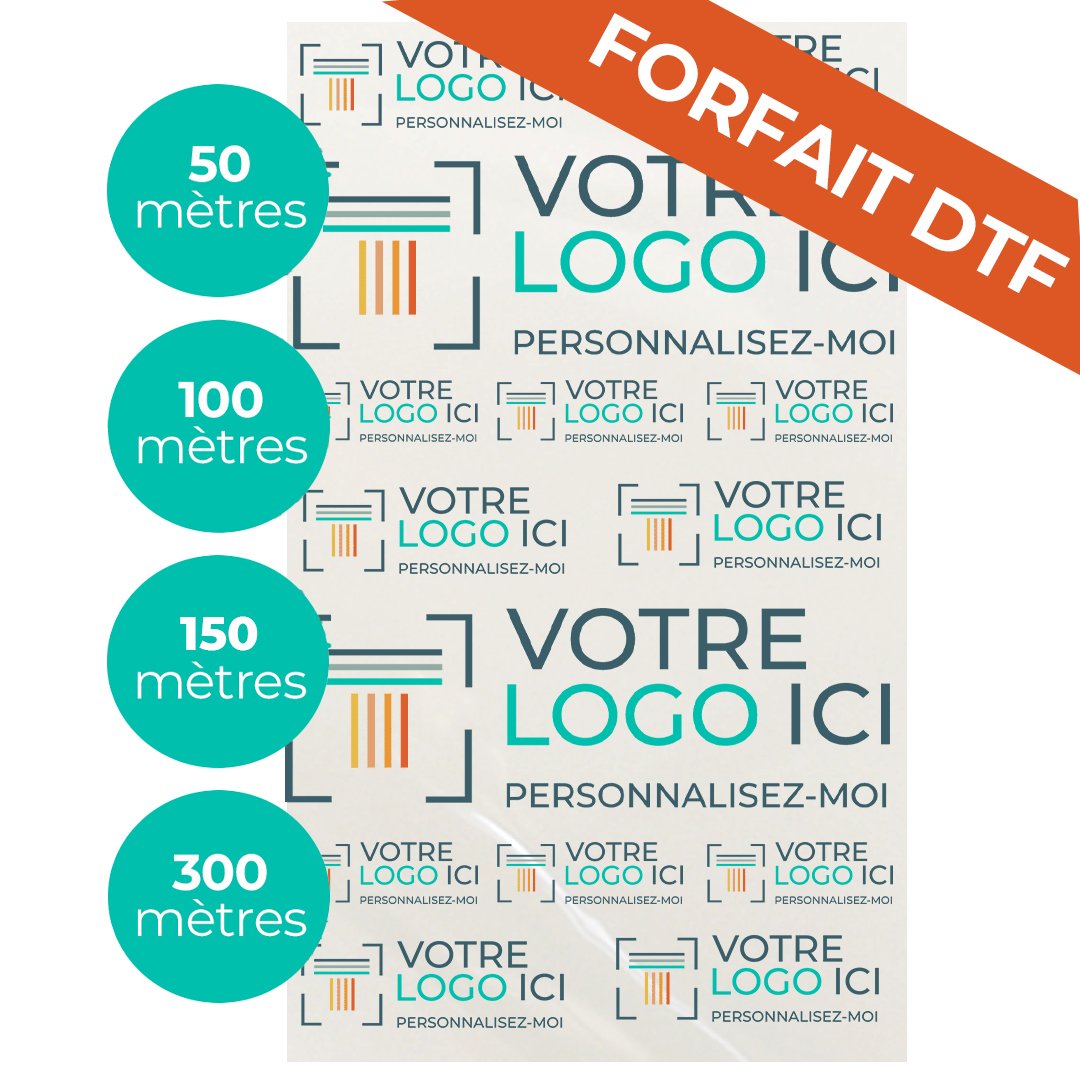
Check out our DTF printing offer: by the meter, in A4/A3 sizes, or custom packages.
For independent designers vs professionals
If you are a designer, stylist, or launching a brand, DTF offers professional quality without heavy equipment investment. Our DTF printing packages make it easy to print your files.
If you are a textile professional and want to produce in-house, visit DTF-France.com to get equipped.
Conclusion: Which textile printing technique is best?
If you are looking for a versatile, cost-effective, and accessible method for textile printing, DTF printing is currently the most complete solution. It works for both small and large production runs with excellent results on all fabric types.
DTG remains an interesting option for direct printing on cotton but requires significant budget and technical conditions. Flex is suitable for simple prints or occasional customizations but is quickly limited in design complexity or large batches.
Want to try DTF printing without investing in equipment? Check out our DTF printing packages or DTF films by the meter, perfect for beginners.
If you are starting out, don’t miss our article: How to apply a DTF film easily at home.
Frequently Asked Questions about Textile Printing Techniques
How to choose between DTF, Flex, and traditional printing for my projects?
It depends on the desired finish, fabric type, and design complexity. DTF is ideal for complex designs, various textiles, and small/medium runs. Flex suits simple shapes on all fabrics. Traditional printing (DTG) works mainly on cotton for very detailed designs but in small quantities.
What are the main texture differences between DTF and Flex?
Flex has a thicker, rigid texture with a plastic-like feel. DTF is thinner, flexible, and more discreet on the fabric while remaining slightly noticeable. Comfort is generally better with DTF.
Is DTF more durable than Flex or traditional printing?
Yes, DTF provides excellent wash durability (up to 60 washes) without cracking or fading. Flex holds well but can crack over time. DTG has decent durability but is usually less resistant, especially if applied poorly or washed at high temperatures.
How does the chosen technique affect garment comfort and breathability?
DTG preserves breathability best, as the ink penetrates the fabric. DTF is very good, thinner than Flex, but covers the textile. Flex is more rigid and may be uncomfortable on wide areas or close to the body.
For which designs or fabrics is DTF really recommended?
DTF is ideal for complex, colorful designs with gradients or fine details. It works on almost any fabric: cotton, polyester, lycra, technical textiles… It is currently the most versatile technique on the market.


0 commentaires