


Density, weave, composition… these technical terms reveal the true quality of a fabric. To choose the right custom textile, it’s essential to understand how these factors affect visual appearance, tactile comfort, and long-term durability of your creation.
A dense fabric is not always the most durable, a tight weave does not automatically guarantee softness, and natural composition does not mean fragile. Learning to read between the threads helps you make the right choice, enhancing your custom textile printing and meeting the exact expectations of your project.
At Tissus Print, we guide every type of client—restaurants, hotels, fashion brands, retail chains, or professional offices—in selecting the ideal fabric. Each sector has different requirements: heavy-duty maintenance for restaurants, long-lasting comfort for hospitality, or aesthetic appeal for events and textile marketing.
Touch and visual appearance remain the two primary perceived quality criteria for custom textiles. They directly depend on density, weave, and composition, emphasizing the importance of understanding the fabric’s fundamental characteristics before any customization.
Why understanding fabric characteristics is essential
Choosing the right fabric ensures successful printing and long-lasting visual quality. Conversely, poor selection can alter colors, affect pattern durability, or reduce the textile’s comfort.
Concrete examples illustrate these stakes:
- Too thin cotton for upholstery risks abrasion and compromises fabric longevity.
- Textured weaves may produce less precise visuals, affecting print detail accuracy.
- Incorrect fabric weight reduces lifespan, even with professional-quality printing.
Understanding these technical parameters prevents disappointments and ensures investment in a professional custom textile that truly meets project expectations.
Fabric density: quality indicator or just a number?
Density (g/m²): how it affects visual results and durability
Measured in grams per square meter, density indicates the fabric’s weight relative to its surface. This measure directly influences several key textile properties:
- Resistance to wear and repeated washing.
- Opacity, determining light transmission and coverage.
- Drape and structure, affecting appearance and behavior when shaped.
Fabric weight is thus a fundamental factor when choosing a textile for printing. It’s not just a raw quality indicator but a parameter to adjust according to the product’s intended use.
Recommended fabric weight by usage (comparison table)
| Fabric type | Average weight | Recommended use |
|---|---|---|
| Light (100–150 g/m²) | Shirts, scarves, flowing garments | Soft, breathable textiles |
| Medium (180–250 g/m²) | Towels, tablecloths, cushions | Balanced comfort and durability |
| Heavy (300 g/m² and above) | Curtains, bags, decor | Maximum durability and opacity |
The Martindale test measures abrasion resistance in “cycles.” The higher the cycle count, the more durable the fabric. For example, fabrics over 20,000 Martindale cycles suit heavy professional use (hospitality, retail), while 10,000–15,000 cycles are sufficient for domestic or event applications.
For more details, see our article Everything you need to know about fabric weight, explaining how weight affects quality, texture, and durability.
For custom restaurant textiles, medium-to-high density ensures optimal resistance to frequent washing while maintaining perfect visual appearance.
Weave: the invisible structure that makes all the difference
Plain, twill, satin: which weave for which print result?
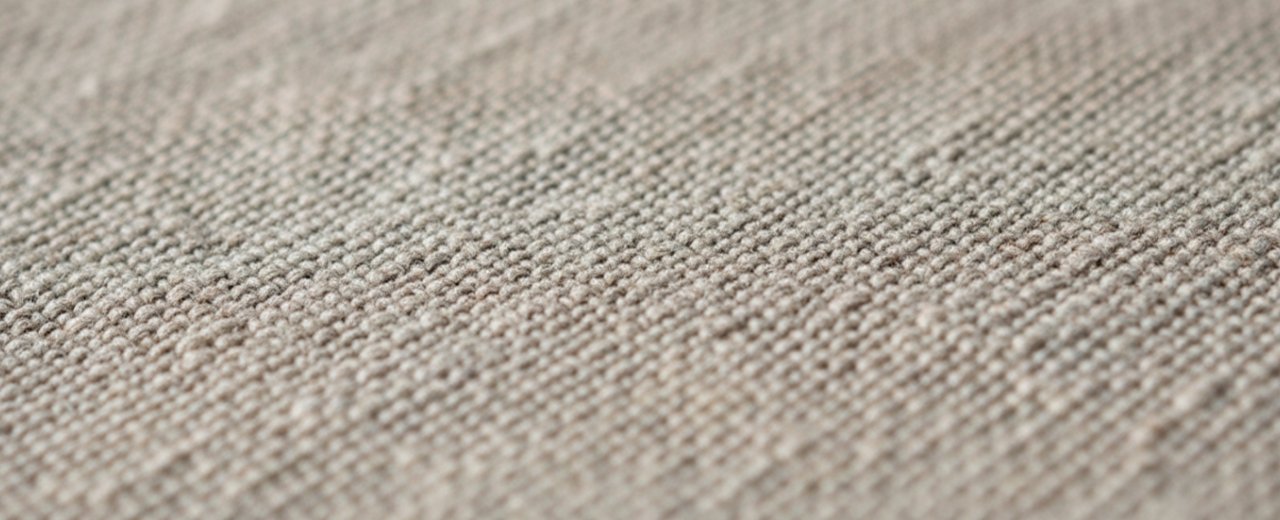
The weave determines how threads interlace to form the fabric. Often invisible at first glance, it directly affects texture, strength, and print quality. Each type has characteristics guiding its use in custom textiles.
Plain weave: threads cross perpendicularly in a simple pattern, creating a smooth, durable surface. Ideal for detailed prints, it is the most common and versatile weave.
Twill: identifiable by diagonal lines on the surface, twill provides flexibility and robustness. Perfect for workwear, balancing comfort and durability. Its dense structure reduces wrinkling while maintaining print quality.
Satin: produces a shiny, soft surface for elegant or decorative projects. The floating weft threads create a luxurious visual effect, suitable for high-end applications.
Looped terry: loops on the surface increase absorbency. Printing requires specific techniques due to the uneven surface.
Gauze (muslin): very loose, airy weave creates a transparent, flowing textile. Ideal for high-end, subtle printing projects.
Composition: natural, synthetic, or blended?
Fabric composition affects comfort, durability, maintenance, and environmental impact. Each material family has advantages and limitations depending on the intended use of the custom textile.
| Type | Advantages | Disadvantages | Ideal uses |
|---|---|---|---|
| Natural (cotton, linen) | Soft, breathable, authentic | Wrinkles, faster fading | Fashion, decor, hospitality |
| Synthetic (polyester) | Durable, economical, easy care | Less breathable | Hospitality, events |
| Blended | Balanced properties | Varies by mix | All print types |
Cotton vs polyester differences appear in repeated washing. Cotton offers superior comfort but may shrink slightly, polyester maintains shape but may generate static. Balanced blends are often best for custom fabrics for intensive professional use.
How to choose the right fabric for your custom textile project
Selecting the ideal fabric requires analyzing final use and project-specific constraints. Consider these questions:
- Will the textile be frequently washed, and at what temperature?
- Is it for professional, decorative, or occasional event use?
- Do you want matte, satin, or textured finish for printing?
- Does the fabric need to meet specific standards (safety, hygiene, environmental)?
Tissus Print checklist for choosing custom fabric:
- Choose according to final use (interior decor, restaurant, workwear).
- Match weave to printing method (screen, sublimation, digital).
- Check weight for durability and usage intensity.
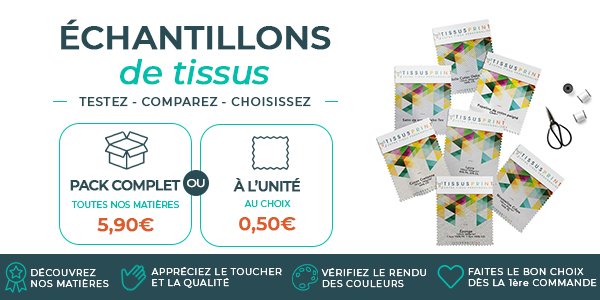
- Inspect a physical sample before mass production.
For DTF printing, select smooth surfaces and medium fabric weight for optimal transfer adhesion. For sublimation, polyester remains the reference material, as it retains pigments via heat transformation.
At Tissus Print, each project benefits from personalized guidance to identify the fabric best suited to technical and budgetary constraints, ensuring results that meet expectations for small or large-scale production.
Tissus Print expert advice
Right fabric choice = 100% successful printing. At Tissus Print, textile printer in Var, France, near Toulon 83, every client receives support to balance comfort, visual appeal, and durability. Our textile expertise combined with precise French production guarantees professional results built to last.
Years of experience show that poor fabric selection is the main source of dissatisfaction, even before printing issues. Investing time in choosing the right material directly improves perceived quality and client satisfaction.
FAQ – Common questions about custom fabrics
What fabric density is best for custom table napkins?
For professional table napkins, 130–230 g/m² offers optimal absorption, shape retention after washing, and sufficient durability for daily restaurant use. Lighter fabrics deform quickly; heavier fabrics may be less practical.
Difference between cotton canvas and poplin?
Cotton canvas has a regular plain weave with equal thread thickness, creating a matte, robust surface. Poplin uses finer warp threads, producing a slightly shiny, softer fabric, ideal for garments requiring elegant drape, whereas canvas excels for decor or durable bags.
Best weave for DTF printing?
DTF printing works best on tight jersey-type weaves, ensuring even adhesion and sharp visuals. Loose or textured weaves can cause uneven transfer areas, affecting print durability, especially after multiple washes.
Conclusion
Understanding fabric characteristics is a direct investment in the quality and longevity of your custom creations. Density, weave, and composition are not just technical terms—they determine visual results, tactile comfort, and long-term durability of printed textiles.
Whether your project involves interior decor, professional equipment, or events, analyzing these parameters ensures results that meet expectations. Tissus Print combines textile expertise with personalized guidance to turn every idea into a tangible, lasting creation.
Explore our selection of printable fabrics and request your custom quote today. Our team supports you at every step, from fabric selection to delivery of your printed textiles.


0 commentaires