



Contents
- The History of Fabric Printing
- The Different Types of Fabric Printing
- Textile Sublimation Printing
- Direct Printing
- DTF Printing
- Fabric Printing Practices by the Meter
- Conclusion
The art of fabric printing, a true witness to cultural and artistic evolution over the centuries, traces its roots back to the 2nd millennium BC when Indians first introduced artistic patterns on cotton cloth. This centuries-old practice traveled across continents, bringing with it diverse techniques. Today, fabric printing is experiencing a renaissance thanks to technological advances, offering endless possibilities for textile customization.
THE HISTORY OF TEXTILE PRINTING
The origins of fabric printing date back to the 2nd millennium BC, when Indians began artistically decorating patterns on cotton fabrics. These printed and painted cottons were brought to Europe by the Portuguese by the end of the 16th century.
This initial encounter with fabric printing marked the start of a true artistic and commercial revolution. The Indian-printed and painted cottons opened the way to a world of new possibilities, inspiring generations of artists, craftsmen, and merchants.
Today, textile printing has evolved to include a multitude of modern techniques. Traditional methods such as flocking, screen printing, and batik are now joined by advanced digital printing technologies. These methods allow vibrant colors and intricate designs to be applied on an endless variety of textiles, opening new creative and commercial opportunities.
Textile printing, rooted in ancient India, has become a universal language through which art, fashion, and contemporary customization are expressed. This first step in our historical exploration reveals a trajectory full of innovations, foreshadowing a world of endless opportunities for modern textile customization.
THE DIFFERENT TYPES OF FABRIC PRINTING
Digital textile printing, developed in the 20th century, allows patterns to be easily printed on fabric. There are several types of digital fabric printing, including direct printing and sublimation printing.
These printing techniques utilize fabric printing machines to achieve high-quality results while using a more eco-friendly and cost-effective process.
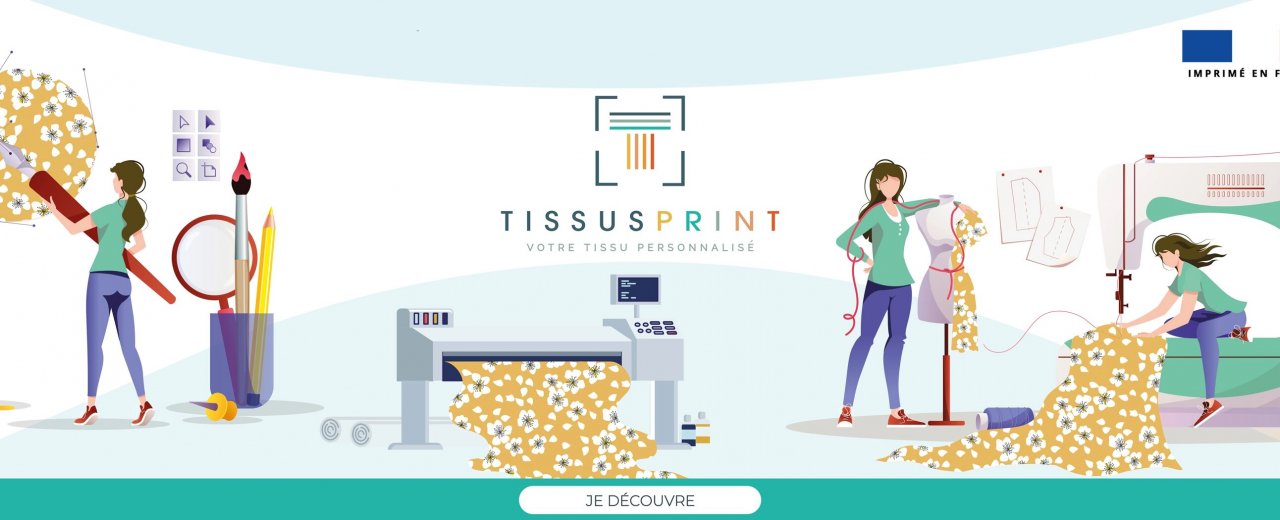
The custom fabric printing service offered by Tissus Print allows professionals (restaurateurs, hoteliers, tailors, fashion designers, artists) and individuals to create their own fabrics for clothing and home decor.
We also provide a custom-made production service in large quantities, available by quote only.
The technical printing methods vary depending on the material.
TEXTILE SUBLIMATION PRINTING
Textile sublimation printing is a two-step process.
STEP 1: PRINTING ON TRANSFER PAPER
The first step involves sending the printable file to a paper printing machine. This printer prints the image in mirror mode on transfer paper using a back-and-forth motion of the ink-filled print head.
Note: the file sent from the computer to the machine must always be in RGB mode. This color mode is specific to printing and allows a wide color palette by mixing red, green, and blue.
STEP 2: SUBLIMATION CALENDER
The second step transfers the colors from the transfer paper onto the white fabric using a sublimation calender heated to 220°C. Sublimation printing is a chemical process that does not require water.
This technique is used only on synthetic materials such as polyester. Tissus Print uses it on velvet, blackout fabric, lycra, terry cloth, waterproof fabrics, microfiber, and fleece in its digital printing workshop.
DIRECT PRINTING
Direct printing on textiles is used on natural fibers like cotton or silk.
This method is called “direct” because it requires only one printing step. It provides very precise results. By sending the RGB file to the direct printing machine, the design is printed directly onto the fabric.
DTF PRINTING
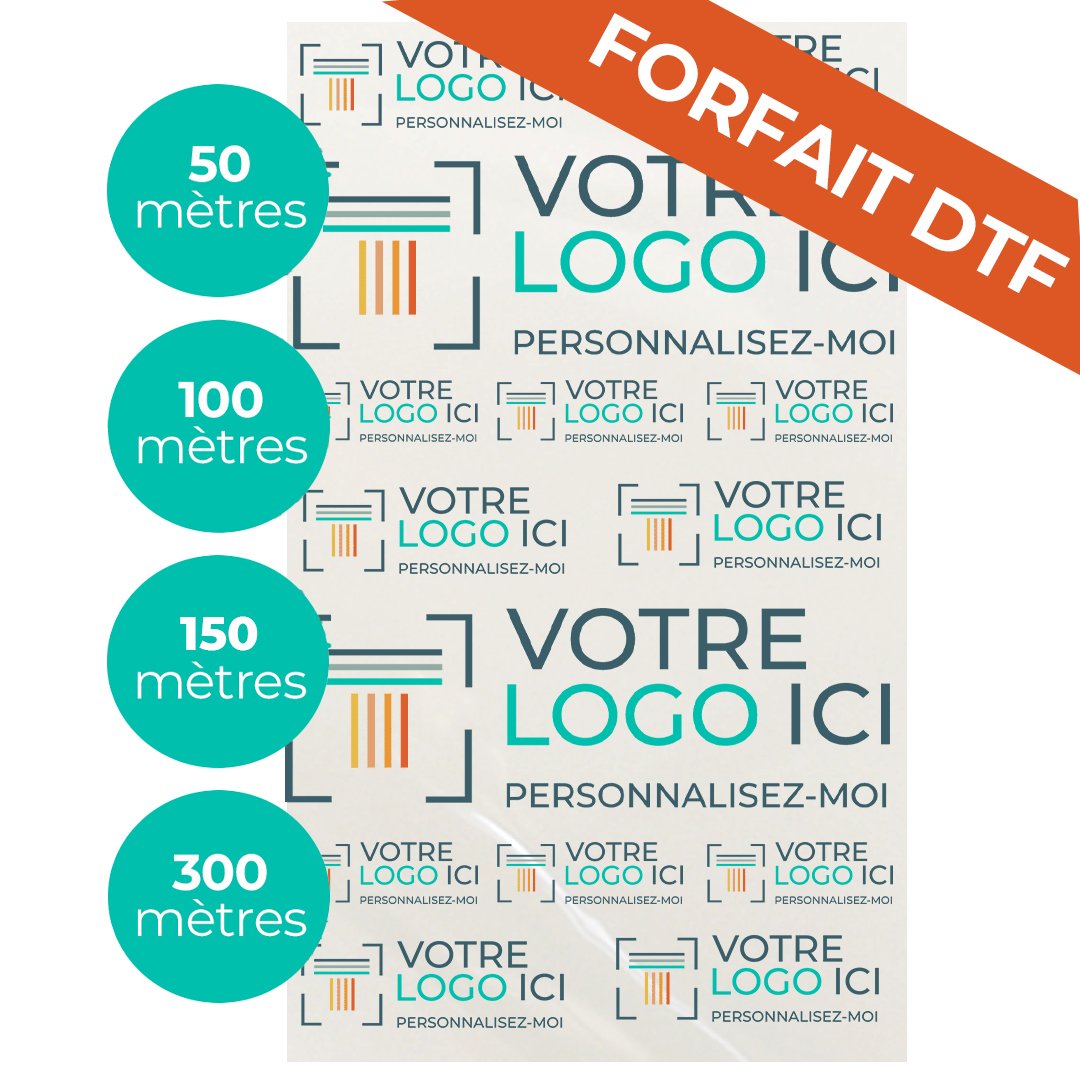
Direct To Film (DTF) printing is an innovative method that allows printing any material and color on PET film. This transparent heat-transfer film can be applied to all types of textiles: t-shirts, sweatshirts, polos, jeans, shoes, caps… Eco-friendly and cost-effective, DTF printing delivers optimal results. Learn more about heat-transfer textile printing here.
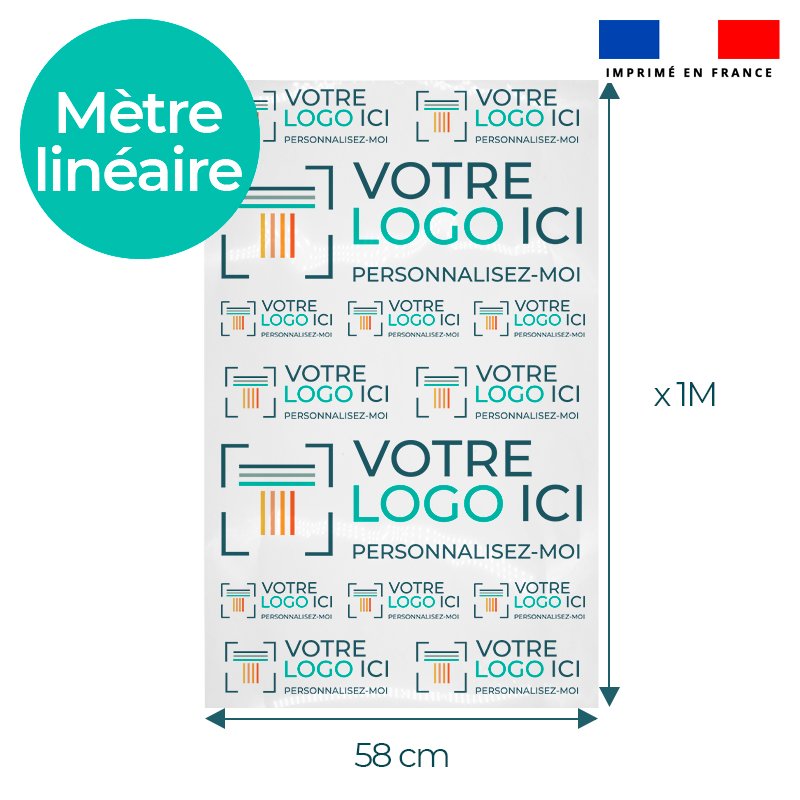
These meter-by-meter printing methods allow small to large-scale printing on fabric widths of 140, 150, or 160 cm. These widths are ideal for clothing patterns, curtains, chairs, sofas, and outdoor furnishings.
Additionally, the process is very advantageous: it is eco-friendly since it uses very little water compared to traditional methods, and economical as it eliminates the need for storage.
This is why custom fabric printing is possible at Tissus Print.
Don’t wait to create your custom fabric with our online demonstration video.
CONCLUSION
Fabric printing, blending tradition and innovation, has evolved over time. Modern techniques such as textile sublimation, direct printing, and DTF printing redefine standards of quality, eco-friendliness, and cost-efficiency. At Tissus Print, customization goes beyond patterns, giving professionals and individuals the freedom to design unique fabrics. By embracing environmentally conscious and economically viable methods, fabric printing becomes both a creative and responsible experience. Explore the infinite possibilities of textile customization with our online demonstration today.


0 commentaires