


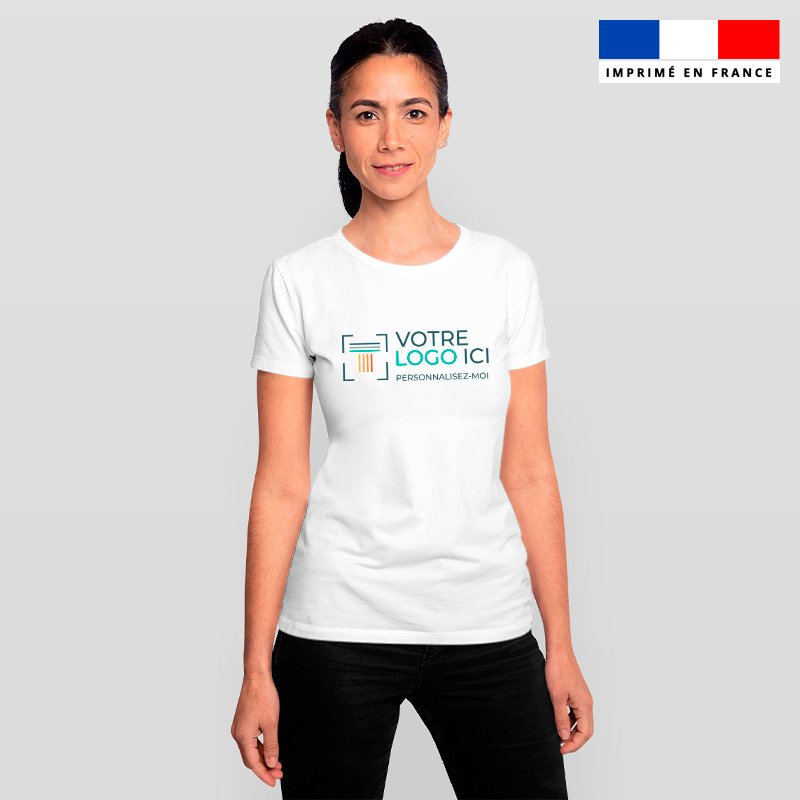
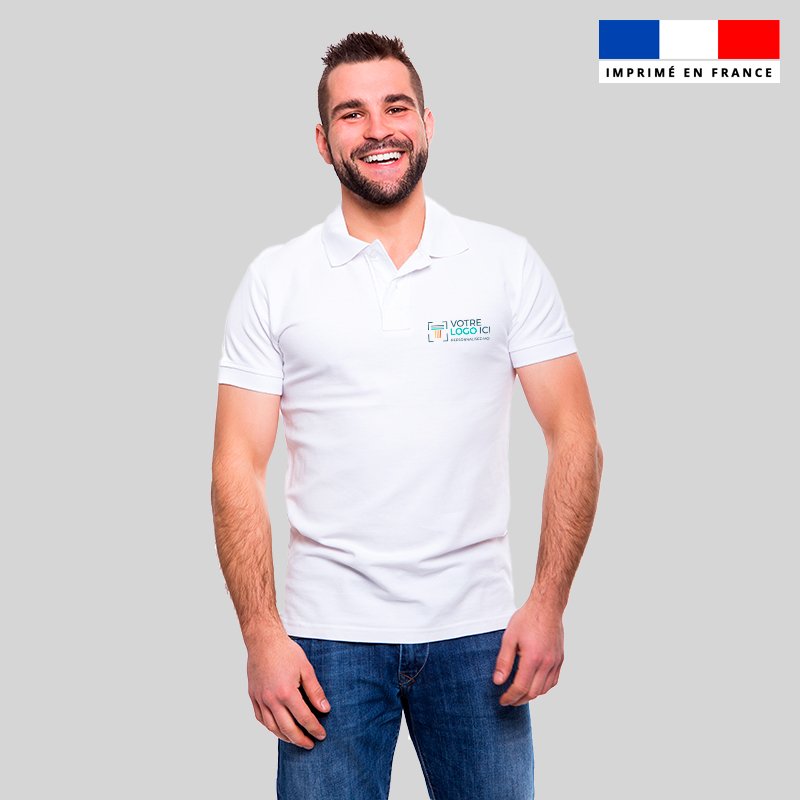
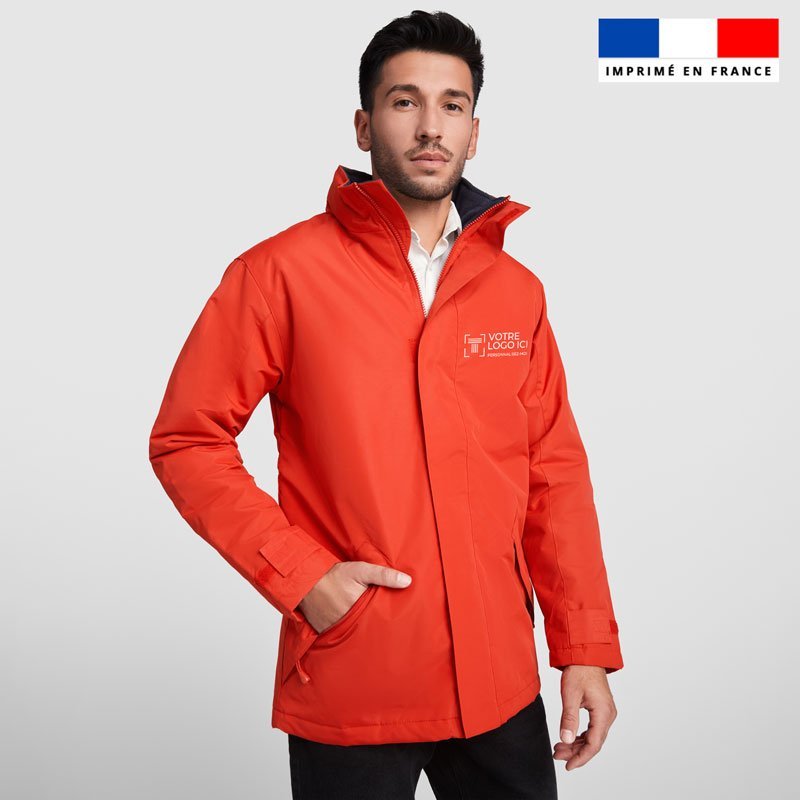
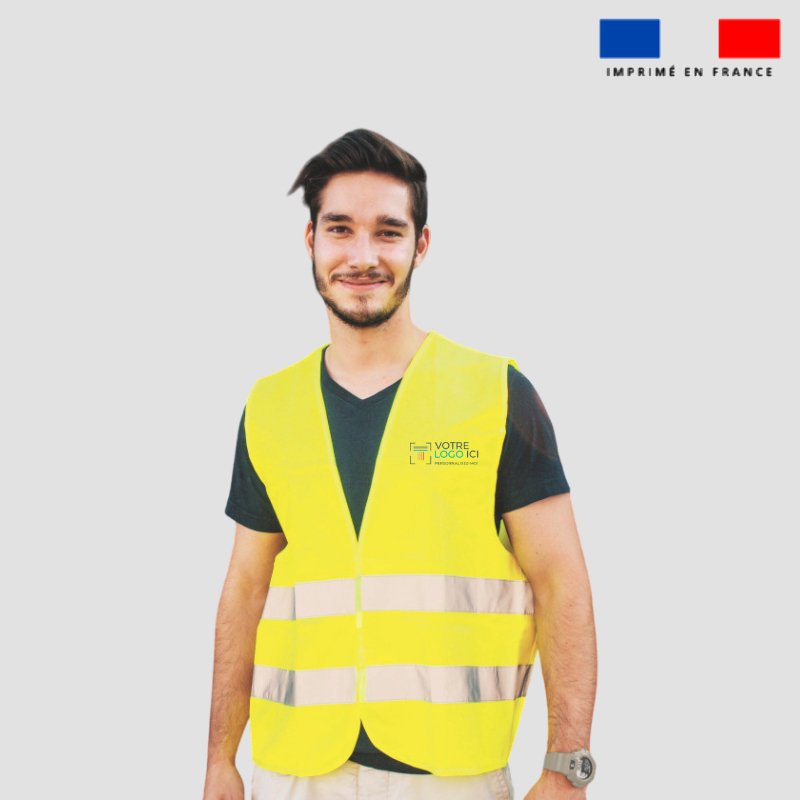
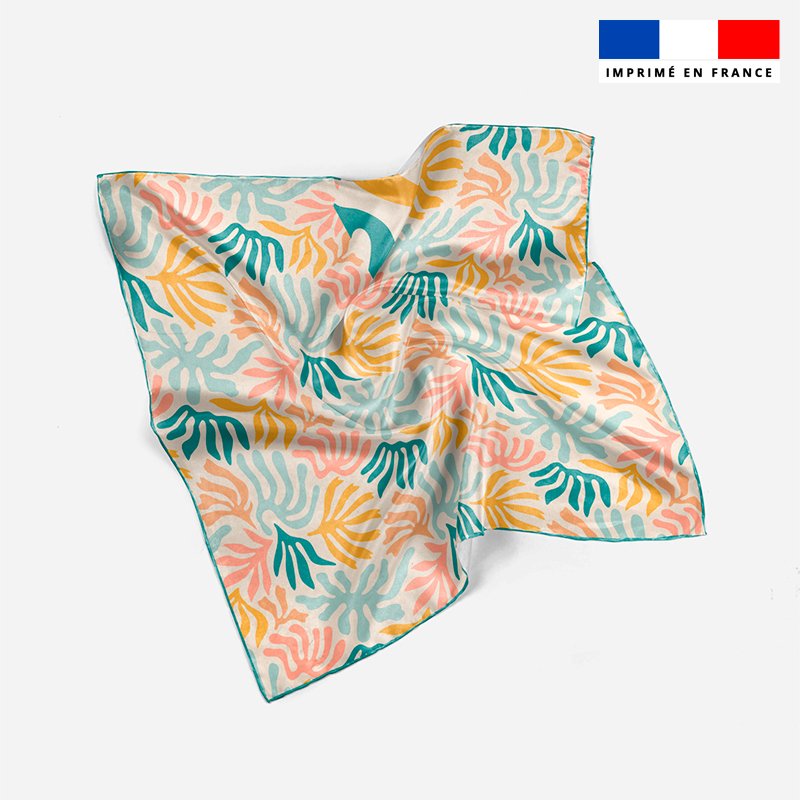



Custom textiles enable start-ups, associations and growing organisations to create a consistent, useful and meaningful Welcome Pack from day one—right when a new employee, volunteer or member joins.
In a climate of tight recruitment and high talent turnover, the first impression an organisation makes has become a strategic driver of engagement and retention. A poorly planned textile welcome pack can harm your employer brand. Done well, it becomes a genuine HR and marketing tool—turning onboarding into a memorable moment.
Multiple studies on employee experience and onboarding show that a structured induction process has a strong impact on new hires’ engagement, their sense of belonging and long-term retention: up to 86% of new hires decide within the first six months whether they will stay with the company, and well-designed onboarding programmes are linked to meaningful gains in productivity and retention.
Why a textile Welcome Pack has become essential for start-ups
A textile Welcome Pack meets a strategic need that goes far beyond handing over a simple welcome gift. For start-ups and fast-growing organisations, it structures onboarding while strengthening a shared identity.

Faster onboarding and a stronger sense of belonging
Joining a new organisation naturally comes with an adjustment period. Custom textiles provide an immediate visual and tangible marker that eases that transition. Wearing clothing in the organisation’s colours helps new starters feel recognised and included from the very first days.
This sense of belonging is even stronger when the wider team shares the same visual codes, creating visible cohesion in team meetings, professional events and collaborative work sessions.
Aligning employer brand messaging with day-to-day reality
Your employer brand is built as much on what you promise during recruitment as on what people experience day to day. A thoughtfully designed textile Welcome Pack turns those values into something tangible. The quality of the garments, graphic consistency and practical usefulness all reflect the level of care you show to your people.
Real-life use cases observed in the field
- Tech start-up: personalised hoodies and tote bags for developer onboarding—supporting faster adoption of company culture and easy visual identification at industry events.
- Association: welcoming new volunteers with a textile kit (t-shirt and cap), making them easier to identify during field actions and boosting motivation.
- Sports club: integrating new members with a coherent set (polo, beanie, scarf depending on season), reinforcing group belonging and recognising individual commitment.
How custom textiles outperform standard branded giveaways
With promotional items often distributed without a clear strategy, custom textiles stand out thanks to their long-term impact—both functional and emotional.
Genuine usefulness beyond a promo item
Unlike many branded gadgets that end up in a drawer, personalised textiles naturally fit into employees’ working and personal lives. A premium cotton t-shirt gets worn regularly; a sturdy tote bag supports everyday commuting and travel; a comfortable hoodie becomes a go-to piece for remote work or journeys.
This repeated use creates lasting visibility for your logo and visual identity—turning each team member into a subtle but effective brand ambassador.
Stronger emotional and identity impact
Custom textiles are perceived as workwear or team kit—not as a marketing gimmick. That psychological shift changes the relationship between the person and the item. Wearing a quality garment in the organisation’s colours builds pride and belonging.
Investment in fabric quality, print accuracy and visual consistency is immediately noticeable to new starters. That attention to detail strengthens your employer brand and signals professionalism.
Which textiles to include in a successful professional Welcome Pack
Choosing the right textile products should follow a logic of real use and overall consistency. Every item should deliver practical value while supporting the brand image.
Recommended textiles by use case
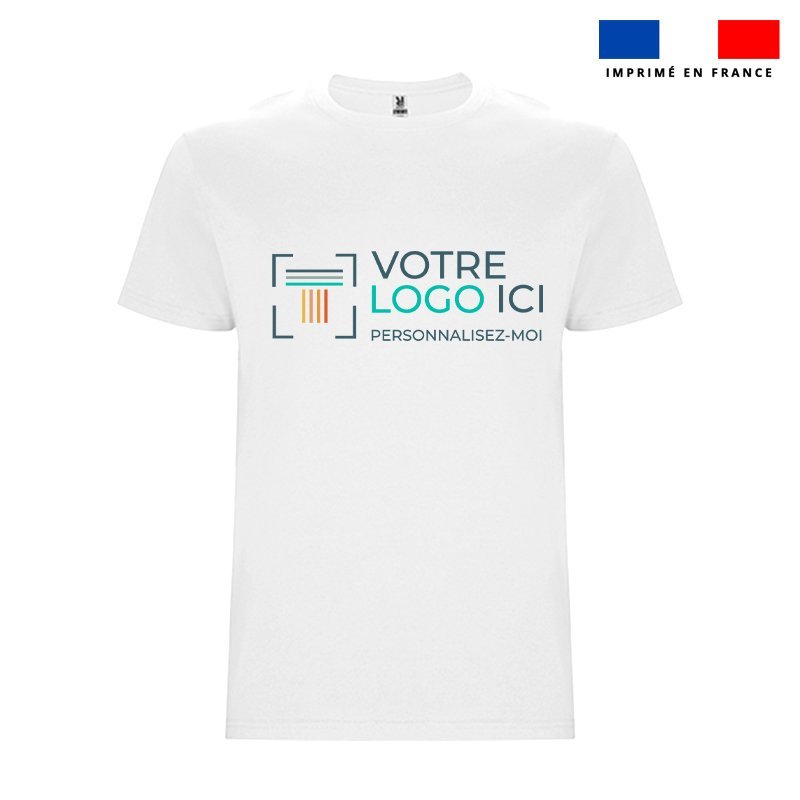
- Personalised t-shirt: a versatile staple, worn day to day for internal working days or professional events.
- Personalised sweatshirt or hoodie: a premium item that reinforces belonging—especially valued for travel and remote work.
- Textile tote bag: a practical, eco-friendly accessory used daily for commuting and business travel.
- Cap, beanie or scarf: seasonal accessories adapted to your activity and the time of year new starters join.
- Custom patches, badges or textile labels: extra branding elements that add subtle identity to existing clothing or accessories.
The best combinations usually include two to four complementary products, covering different situations without overloading the Welcome Pack.
Beyond textiles: personalised accessories and branded items
A complete Welcome Pack can also include non-wearable items that enhance the welcome experience and support day-to-day work.
- Personalised mug: an everyday desk item that keeps your brand visible during breaks.
- Mouse mat: practical for computer workstations, with generous print area for a logo or welcome message.
- Cushion cover: ideal for coworking spaces or breakout areas, creating a warm atmosphere in your brand colours.
- Personalised apron: particularly relevant for organisations with shared kitchens or in the food sector.
- Personalised throw blanket: a comfort item for collaborative spaces or rest areas, reflecting care for wellbeing.
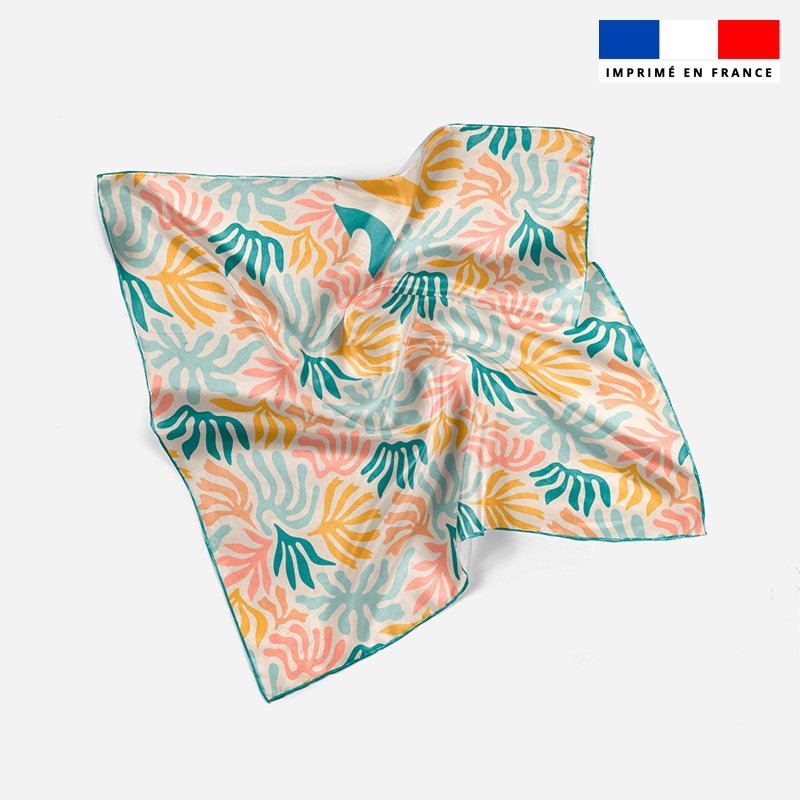
- Scarf or textile pouch: elegant accessories that complement professional outfits—especially valued in sectors where refinement matters.
Comparison table: textile products for Welcome Packs
| Textile product | Main use | Key benefit | Personalisation level |
|---|---|---|---|
| T-shirt | Everyday / internal use | High visibility | High |
| Tote bag | Mobility | Durable / eco-friendly | Medium |
| Sweatshirt | Belonging | Premium image | High |
| Cap | Events / field work | Quick identification | Medium |
| Mug | Office / breaks | Everyday visibility | High |
The best combinations usually include two to four complementary products, covering different situations without overloading the Welcome Pack.
Welcome Pack ideas by organisation type
Each sector comes with specific constraints and opportunities that shape the ideal Welcome Pack. Personalisation should reflect real-world use while strengthening the collective identity of the organisation.

Welcome Pack for tech start-ups and digital agencies

Tech environments prioritise comfort, casual style and mobility. A typical pack combines versatile clothing with accessories that support a mobile working day.
Recommended contents:
- Premium cotton hoodie, suitable for office and remote work.
- Reinforced canvas cotton tote bag for laptop and personal items.
- Personalised ergonomic mouse mat to equip the workstation from day one.
- Durable ceramic mug, dishwasher-safe for repeated use.
This pack focuses on items used daily—ensuring constant brand visibility and strengthening belonging from the very first days.
Welcome Pack for associations and non-profits

Associations value commitment and recognition for active members. The Welcome Pack should reflect that appreciation while enabling easy identification during field actions.
Recommended contents:
- Hard-wearing cotton t-shirt suitable for frequent washing and field work.
- Personalised cap or bucket hat depending on season, for outdoor activities.
- Reusable tote bag to replace plastic bags for collections and distributions.
- Textile pouch for member cards, admin documents or small equipment.
This selection prioritises robust, practical items that clearly signal belonging during public-facing actions.
Welcome Pack for consultancies and service businesses
Client-facing environments require elegant, discreet products that match the professional image expected by clients. The Welcome Pack reflects that quality standard.
Recommended contents:
- Personalised polo shirt, appropriate for client meetings.
- Personalised scarf to complete a professional outfit.
- Elegant textile pouch for documents or a tablet during travel.
- Mug with cork coaster for office moments.
The focus is on discretion, perceived quality and elegance—mirroring the sector’s values of excellence.
Welcome Pack for industrial and logistics sectors
Production and logistics settings require safety, durability and hard-wearing materials. The Welcome Pack should meet those requirements while showcasing company identity.
Recommended contents:
- Breathable technical polo in polyester, resistant to intensive washing.
- Personalised high-visibility vest or jacket compliant with safety standards.
- Sturdy cap for sun protection during outdoor work.
- Insulated stainless-steel travel mug suited to industrial environments.
This pack combines regulatory safety, long-term durability and clear on-site team identification.
Welcome Pack for communications agencies and creative studios
Creative roles value originality, aesthetics and strong brand expression. The Welcome Pack becomes an extension of the agency’s visual universe.
Recommended contents:
- Oversized cotton t-shirt with bold graphic printing.
- Tote bag screen-printed with an original design that reflects the creative DNA.
- Decorative cushion cover to personalise collaborative workspaces.
- Soft personalised throw blanket for lounges and brainstorming areas.
The Welcome Pack becomes a creative piece in itself, clearly expressing the agency’s uniqueness.
Welcome Pack for sports clubs and leisure organisations

Sports organisations prioritise function, comfort in movement and quick identification during training and competitions.
Recommended contents:
- Breathable technical polyester t-shirt that wicks away sweat.
- Comfortable zip-up sweatshirt for warm-ups and travel.
- Cap or technical headband for outdoor activities.
- Sports tote bag for kit and personal belongings.
The selection prioritises performance fabrics while visually reinforcing club identity.
Welcome Pack for coworking spaces and shared workplaces
Shared spaces bring together diverse profiles around collaboration and community. The Welcome Pack should reflect that diversity while creating a sense of belonging.
Recommended contents:
- Unisex organic cotton t-shirt suited to all styles.
- Recycled-fabric tote bag aligned with eco values.
- Personalised mug for breaks and networking.
- Mouse mat to equip a flexible workstation.
This selection supports versatility, sustainability and community-building. A Welcome Pack like this can be offered at €40 for a single-unit purchase, delivering excellent value to welcome each new member without requiring high-volume orders.
Welcome Pack for education and training organisations
Educational organisations encourage learning and strengthen belonging to a cohort or institution. The Welcome Pack supports that collective dynamic.
Recommended contents:
- Personalised sweatshirt showing cohort or course identity.
- Practical tote bag for books, laptop and supplies.
- Textile pouch to organise admin documents and student card.
- Mug for long days of classes and revision.
This pack builds long-lasting belonging—often kept well beyond the end of the programme.
These real-world examples show how to tailor the Welcome Pack to sector realities while maintaining brand consistency and genuine usefulness for each new member or employee.
How to design a textile Welcome Pack that aligns with your brand identity
The visual and strategic coherence of a textile Welcome Pack directly determines its effectiveness. Every choice should be made with your brand identity, real use cases and on-the-ground constraints in mind.
Build graphic and visual consistency
Logo placement, brand colours and typography should follow your brand guidelines while adapting to the specific constraints of textile printing. Placement matters: a subtle left-chest logo communicates something different from a bold central graphic on the back.
Available printing methods (screen printing, direct-to-garment, DTF, sublimation) produce different results depending on the textile. Choosing the right method should consider design complexity, number of colours, expected durability and production volume.
Match the textiles to your audience and usage context
Job roles and working conditions influence product selection. A travelling sales team may prefer lightweight, easy-care garments, while workshop-based technical teams need tougher, more durable fabrics.
Sector norms also matter: tech start-ups often go for casual hoodies and t-shirts, whereas consultancies may choose more formal personalised polos or shirts.
Plan quantities and allow for growth
Short runs let you test how the Welcome Pack is received before committing to larger volumes. This phased approach reduces financial risk and enables improvements based on real feedback.
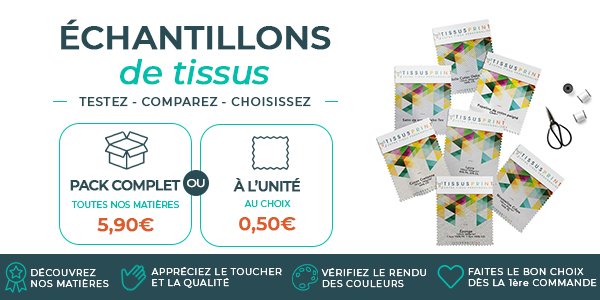
Ordering samples before final production helps validate fabric quality, print accuracy and colour results. This preventive step avoids unpleasant surprises and ensures new starters are genuinely satisfied.
Common mistakes seen in textile Welcome Packs
Some recurring mistakes reduce the effectiveness of textile Welcome Packs and can harm an organisation’s image.

Choosing textiles based on price alone
Initial cost does not reflect perceived value or durability. Low-quality t-shirts lose shape, prints crack after a few washes, and the item gets abandoned. This “saving” becomes wasted spend and damages brand perception.
Overlooking print durability
The printing method determines how long the design lasts. Poorly fixed digital prints or low-grade screen-print inks will not hold up over time. The right method must match the fabric type, washing frequency and abrasion exposure.
Adding too many items without a clear overall concept
Piling up different products without a unifying logic creates a scattered impression. Effective Welcome Packs prioritise quality over quantity, selecting two to four complementary items that work together.
Forgetting comfort and sizing
Limited sizes or uncomfortable garments lead to frustration and non-use. Diverse body shapes require an extended size range (at least XS to 3XL) and cuts suited to different fits.
Skipping testing before committing to volume
Launching full production without prior validation can lead to costly disappointment. Samples should be standard practice to confirm print quality, colour accuracy and fabric feel before committing the full budget.
Tissus Print’s approach to textile Welcome Packs
Tissus Print supports organisations in creating textile Welcome Packs that combine professional quality, long-lasting durability and strong visual consistency.
Guidance on choosing materials based on real-world use
Each project starts with an analysis of expected use, operational constraints and brand objectives. This tailored approach enables the right recommendations: organic cotton for comfort, technical polyester for sportswear, or cotton-poly blends for easier care.
Expertise across textile printing techniques
Production is supported by professional textile printing equipment and proven processes to achieve consistent results across products and batches.
Which custom textiles should you choose for a start-up Welcome Pack?
The best choice depends on your company culture and intended use. For a tech start-up, pairing a quality hoodie with a sturdy tote bag is a strong foundation. If versatility is key, opt for a premium cotton t-shirt plus a practical accessory such as a cap or beanie depending on season.
Which textile printing method is the most durable?
Screen printing offers the best wash resistance for higher volumes with limited colours. DTF (Direct to Film) provides excellent durability across many textile types while supporting complex, detailed visuals. Direct-to-garment printing is ideal for short runs and offers strong creative flexibility.
Can you produce Welcome Packs in small quantities?
Digital printing and DTF enable short runs from just a few units without prohibitive extra costs. This flexibility supports testing and suits organisations growing progressively.
Is custom textile printing suitable for associations and clubs?
Yes. Custom textiles are well suited to associations and sports clubs—strengthening belonging and making members easier to identify at events. High-quality garments also recognise the commitment of volunteers and members.
How can you test the result before placing a final order?
Ordering samples is the essential first step. It allows you to validate fabric quality, colour accuracy, print precision and comfort. This initial investment secures the final production and avoids disappointment.
What lead times should you plan for a custom textile Welcome Pack?
Lead times vary by printing method, order volume and design complexity. As a guideline, allow two to four weeks for standard production including sampling. Urgent orders may be accelerated on request.


0 commentaires